10 Best Cities for Digital Nomads in 2026

Table of contents

- How We Selected the Best Cities for Digital Nomads
- TOP-10 Best Cities for Digital Nomads
- Lisbon, Portugal
- Bali (Canggu / Ubud), Indonesia
- Barcelona, Spain
- Bangkok, Thailand
- Tbilisi, Georgia
- Budapest, Hungary
- Berlin, Germany
- Mexico City, Mexico
- Istanbul, Turkey
- Dubai, UAE
- Best Cities for IT and Remote Specialists
- Best Cities for Expats and Long-Term Living
- What Visas Are Available for Digital Nomads in Different Countries?
- How to Choose a City for Digital Nomads: Step-by-Step Guide
- Tips for Digital Nomads: How to Live and Work in New Cities
- Conclusion
- Who Are Digital Nomads and Why Is This Lifestyle Popular?
- Best Cities for Digital Nomads with Minimal Cost of Living
Share
Share
Yesim virtual SIM card for travelers
Get a 10% discount for your first purchase with the code
The digital nomad lifestyle has become the norm. More people are working remotely, traveling with laptops, and choosing expat-friendly cities where they can live comfortably, affordably, and safely. This year, the options have expanded: dozens of countries offer digital nomad visas, infrastructure is improving, and internet speeds are getting faster even in budget-friendly destinations.
This article covers the best cities for expats, IT professionals, freelancers, and those planning to work remotely for a few months or long-term. We consider internet speed, cost of living for digital nomads, climate, safety, visa requirements, transportation, community, and conditions for productive work.
Who Are Digital Nomads and Why Is This Lifestyle Popular?

Digital nomads are people who take their work with them. They can live in Lisbon, fly to Bangkok a month later, then work a couple of weeks by the sea. The essentials are simple: a laptop, stable internet, and the ability to maintain momentum.
Everything changed after 2020. Companies realized that offices aren't always necessary, and people discovered they could live where they truly want to be. Relocating became easier. Many choose cities with mild climates, reasonable prices, and a calm atmosphere. It's a natural desire – to work without stress and avoid overpaying for housing.
The nomadic lifestyle is growing because the world has become more convenient. Every major city has coworking spaces, decent cafes with Wi-Fi, and strong expat communities. It's easier to find friends, support, and advice there. Some choose cities with fast internet, others seek places with low living costs, while some prioritize safe and quiet neighborhoods.
Digital nomads have similar criteria: internet, prices, safety, and climate. That's why people increasingly search for the best cities for remote work, compare the best countries for digital nomads, and plan their lives a year ahead. Interest in the topic is growing – search queries like "digital nomads where to live" show that more people are looking toward a free and mobile lifestyle.
How We Selected the Best Cities for Digital Nomads
When choosing a new city to live in, people don't look at postcards – they look at conditions that affect their daily work routine. That's why our criteria are simple and practical – the ones digital nomads actually use. Here's what we considered when selecting the top cities for digital nomads:
- Stable and fast internet. Without it, maintaining a remote work schedule abroad is impossible.
- Cost of housing and food. The difference between cities is enormous and immediately noticeable.
- Safety. It's important to feel secure – day and night.
- Climate. Tropics, ocean breeze, or mild European winters – everyone seeks something different.
- Coworking spaces and work-friendly places. This helps you quickly get into rhythm.
- Digital nomad visa programs. The simpler the application process, the easier it is to plan relocation.
- Expat community. People already living in the city greatly simplify adaptation.
- Transportation. Convenient flights and decent public transport.
- Ability to travel around the region. This makes life more interesting.
We compared different destinations based on these criteria and looked for places where everything comes together in a comfortable balance. Such places aren't numerous, but they become the best cities to live abroad. Many experienced travelers say it's important not just to work remotely, but to live in a city that feels "right."
That's why our final list includes locations truly suitable for long-term living and comfortable remote work – what people call the best cities for freelancers in an everyday sense, not just in promotional lists.
TOP-10 Best Cities for Digital Nomads
Below are ten cities consistently chosen by digital nomads. Each has fast internet, reasonable prices, workspaces, and communities where adaptation is easy. Cost data represents average values for housing, food, and transportation per month.
Lisbon, Portugal
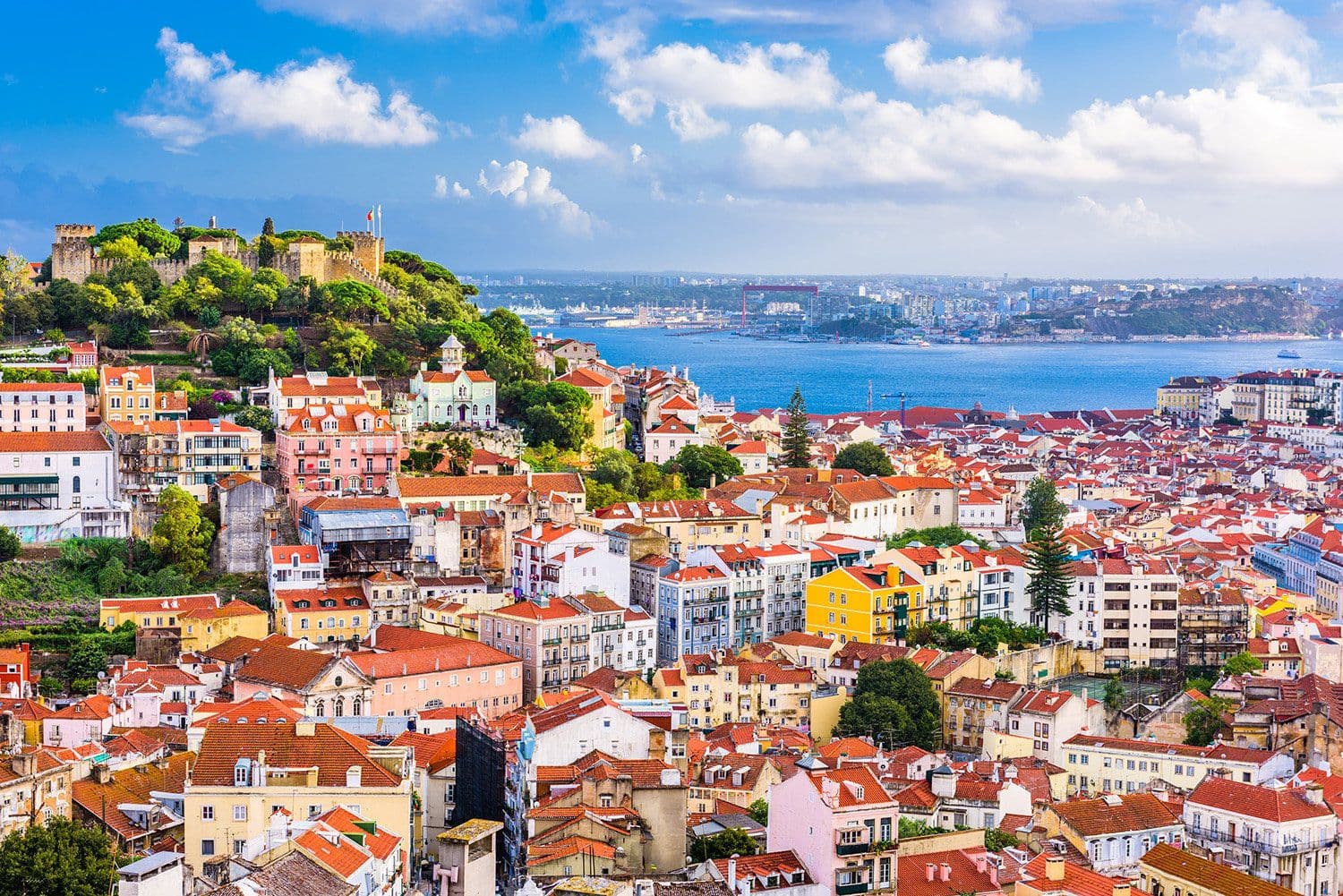
Lisbon has long been a magnet for digital nomads. The city is calm, sunny, and comfortable for long-term living. It's easy to find housing, coworking spaces, and people who share the same rhythm. Key city parameters:
- Cost of living: €1,500–1,900 per month with moderate expenses.
- Internet: Stable, 80–200 Mbps, good coverage across neighborhoods.
- Visas: Digital Nomad Visa available for one year, with renewal options.
- Safety: High level, comfortable to walk around in the evening.
- Climate: Mild winter, warm summer, plenty of sunshine.
Best for: IT, designers, marketers, freelancers. The city offers a good balance: work, sea, fresh air, and peaceful neighborhoods. But there are nuances important to know beforehand.
Pros:
- Diverse coworking spaces
- Friendly expat community
- Convenient transport and airport
- Safe neighborhoods and calm pace
Cons:
- High rental costs
- Tourist crowds in summer
- Hilly terrain with many slopes
Lisbon suits digital nomads seeking stability and mild climate but willing to accept rising housing costs.
🇵🇹 Read also: Visa in Portugal: turist, work and for residence permit
Bali (Canggu / Ubud), Indonesia

Bali remains one of the most popular destinations for digital nomads. The atmosphere is relaxed, the pace is easy, and workspaces are everywhere. Canggu suits those who love activity and surf culture, while Ubud is for those choosing quiet and greenery. Key city parameters:
- Cost of living: $900–1,300 per month with long-term rental.
- Internet: 50–100 Mbps, more stable and faster in coworking spaces.
- Visas: Popular B211A visa, with extension and stay-permit options.
- Safety: Calm areas, but attention to documents and equipment is mandatory.
- Climate: Tropical, warm year-round, pronounced rainy season.
Best for: Designers, bloggers, marketers, photographers, content creators. Canggu and Ubud give a sense of freedom and simplicity. But it's important to understand the practical side: traffic, climate, and seasonality are immediately noticeable.
Pros:
- One of the world's largest nomad communities
- Many coworking spaces and cafes for hours-long work sessions
- Low food costs
- Affordable spa, sports, yoga
Cons:
- Traffic jams in Canggu
- Humidity during rainy season
- Internet speed fluctuations in some areas
Bali suits those seeking a warm climate, relaxed lifestyle, and a large community of remote workers.
🇮🇩 Read also: Visa for Bali: entry rules and main types
Barcelona, Spain

Barcelona appeals to those wanting to combine work, sea, and European comfort. The city is vibrant, sunny, and convenient. There are many places to walk, good coworking spaces, and a developed IT environment. The pace is active but without a megacity rush. Key city parameters:
- Cost of living: €1,700–2,200 per month.
- Internet: Fast, 100–300 Mbps, stable in most areas.
- Visas: Spanish Digital Nomad Visa available for up to 5 years.
- Safety: Generally high, but keep belongings close in tourist areas.
- Climate: Mild, Mediterranean.
Best for: IT specialists, designers, marketers, startup founders. Barcelona is about balance. Work in the morning, hit the beach or meet friends in the evening. But the city isn't cheap.
Pros:
- Large tech ecosystem
- Many coworking spaces
- Sea nearby
- Developed public transport
Cons:
- High rental costs
- Many tourists in summer
- Pickpocketing in the center
Barcelona suits digital nomads who value infrastructure, climate, and professional environment. It's a city where you can live brightly while maintaining a work rhythm.
🇪🇸 Read also: How to get a residence permit in Spain
Bangkok, Thailand

Bangkok is a city that surprises from day one. It's noisy, bright, and very convenient for digital nomad life. Everything works fast here: transport, delivery, internet. Plus, it's one of the best places in Asia for those who love comfort, food, and a stable work rhythm. Key city parameters:
- Cost of living: $900–1,300 per month.
- Internet: Very fast, 200–500 Mbps, excellent coverage.
- Visas: Tourist stamps, extension possibilities, LTR Visa for long-term residence.
- Safety: High level of control, calm central areas.
- Climate: Hot, humid, pronounced rainy season.
Best for: Developers, video editors, SMM, startup teams. Bangkok is convenient because it's always "on." You can work in cafes, coworking spaces, hotels, or right from apartments – the internet holds up reliably.
Pros:
- One of Asia's fastest internet speeds
- Low food and transport costs
- Convenient regional flights
- Dozens of coworking spaces
Cons:
- High humidity
- Dense traffic
- Hot almost year-round
This is a city people come to for productivity and stay for convenience.
🇹🇭 Read also: Types of visas to Thailand: rules and stay periods
Tbilisi, Georgia

Tbilisi has become one of the easiest cities to start life abroad. It's warm, friendly, and affordable. Plus, it's easy to find housing and adapt even for those relocating long-term for the first time. Key city parameters:
- Cost of living: $700–1,000 per month.
- Internet: 50–100 Mbps, faster in the center.
- Visas: Visa-free for up to one year; Remotely from Georgia program available.
- Safety: Calm atmosphere, friendly neighborhoods.
- Climate: Mild, comfortable most of the year.
Best for: Freelancers, developers, beginner digital nomads. Tbilisi is a city with a cozy atmosphere. Main drawbacks relate to downtown air quality and seasonal price increases.
Pros:
- Simple relocation
- Affordable housing
- Delicious and inexpensive cuisine
- Warm local attitude
Cons:
- Busy downtown
- Uneven air quality
- Seasonal price fluctuations
Tbilisi suits those wanting to live affordably in a comfortable city with a good expat community.
🇬🇪 Read also: Internet in Georgia: which option to choose for tourists
Budapest, Hungary
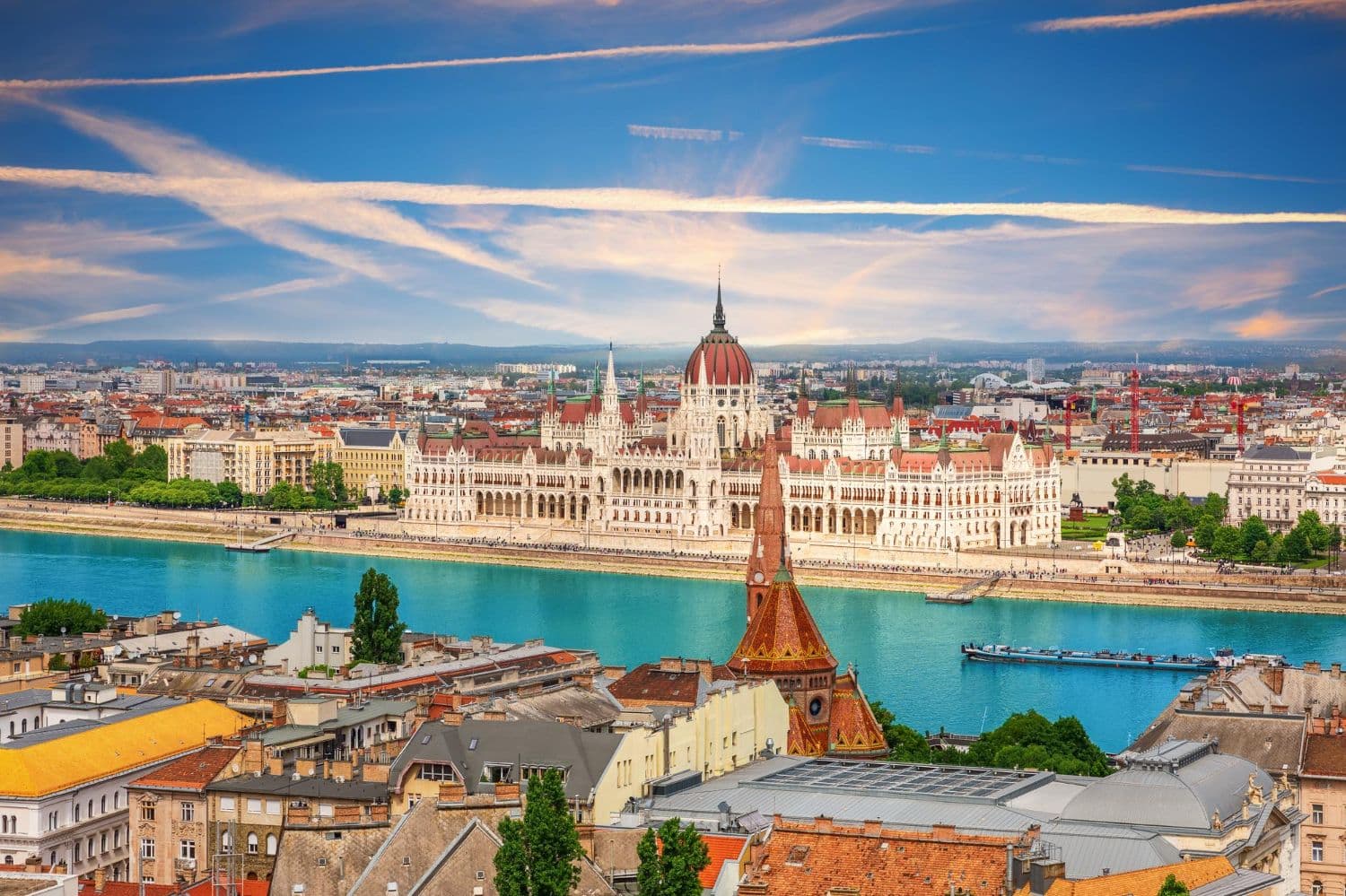
Budapest is a calm and convenient European city. It's beautiful, affordable, and suitable for those seeking structure and order. The Internet is fast, and the lifestyle is comfortable even with long-term residence. Key city parameters:
- Cost of living: €1,000–1,300 per month.
- Internet: 100–300 Mbps, stable.
- Visas: White Card for remote specialists.
- Safety: Calm city, especially residential areas.
- Climate: Cooler in winter, warm summer.
Best for: IT, analysts, designers, long-term specialists. Budapest appeals to those wanting to live in Europe without London or Paris prices. The city gives a sense of stability, but summers get hot and rental prices rise.
Pros:
- Beautiful neighborhoods
- Good infrastructure
- Strong public transport
- Low cost of living by EU standards
Cons:
- Hot summer
- Rental price fluctuations
- Dense rush hour traffic
Budapest suits nomads who value structure, comfortable pace, and stable internet.
Berlin, Germany
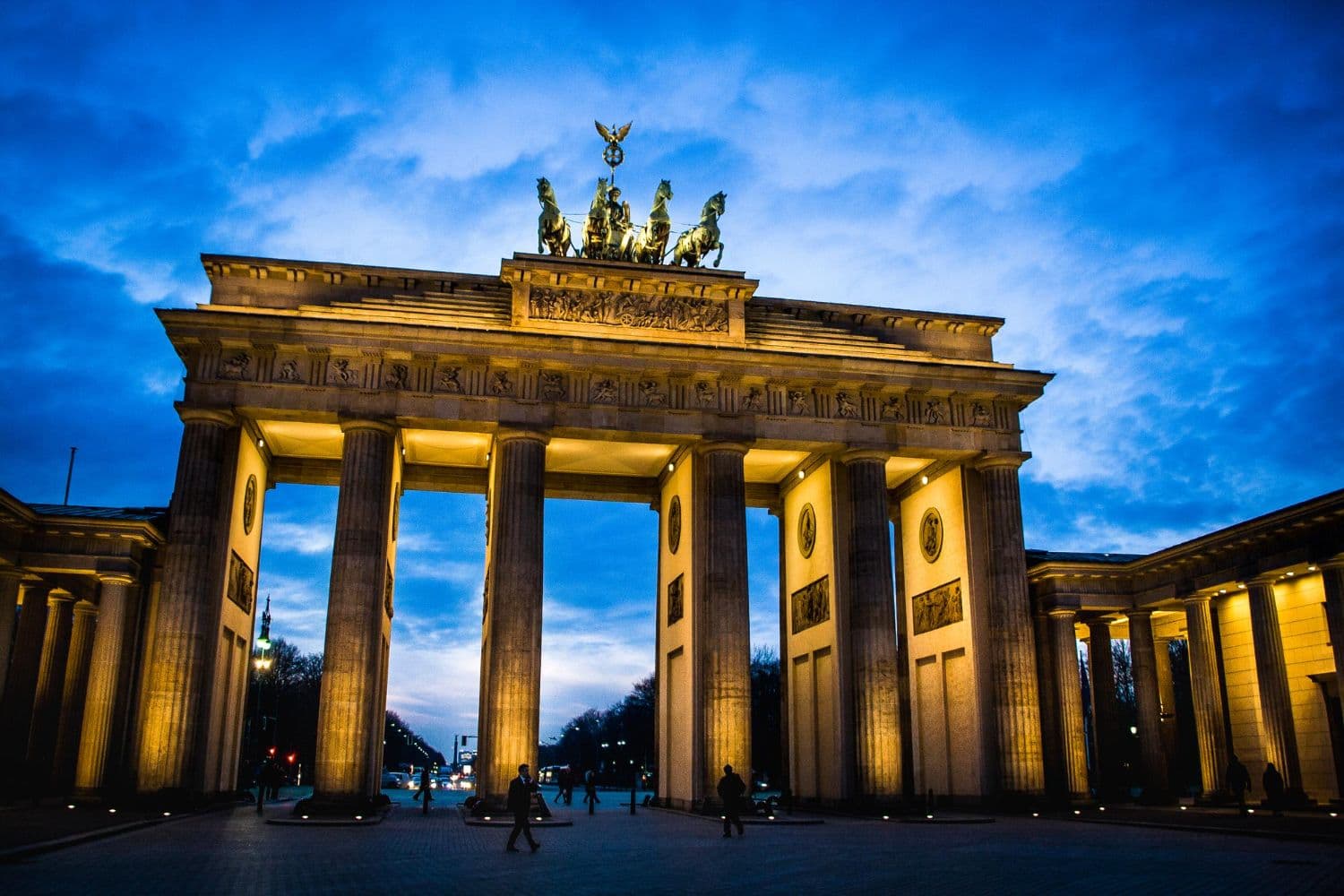
Berlin is the capital of Europe's tech scene. It's large, free, and comfortable to live in. Many digital nomads choose it for the professional environment and atmosphere where growth and development come easily. Key city parameters:
- Cost of living: €2,000–2,600 per month.
- Internet: 100–250 Mbps.
- Visas: Popular Freelance Visa for specialists.
- Safety: High level, especially in residential quarters.
- Climate: Moderately cool.
Best for: IT, startup founders, developers, creative industries. Berlin is a city of opportunities. Meetups, conferences, and events happen constantly. But life here is expensive, with many costs above the European average.
Pros:
- Strong tech ecosystem
- International community
- Convenient transport
- Many coworking spaces
Cons:
- High housing costs
- Complex bureaucracy
- Long queues in government offices
Berlin suits digital nomads seeking a developed tech environment and not afraid of European prices.
🇩🇪 Read also: How to get a residence permit in Germany
Mexico City, Mexico
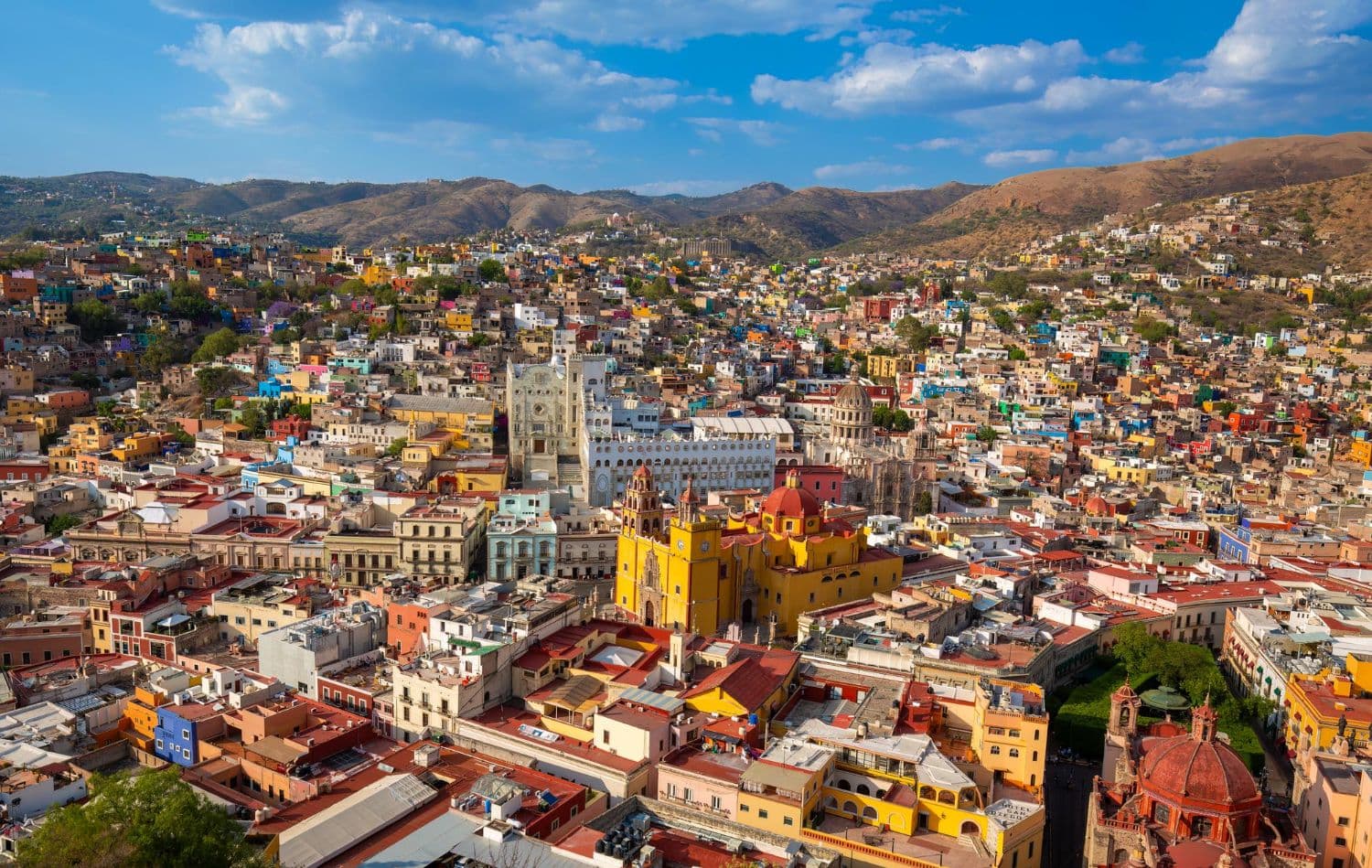
Mexico City is an energetic and large city with warm climate and affordable cost of living. It suits those who love the megacity pace but value comfort and vibrant culture. Key city parameters:
- Cost of living: $1,200–1,600 per month.
- Internet: 70–200 Mbps.
- Visas: Tourist entry, with extension options and temporary residency.
- Safety: Depends on neighborhood; popular areas are quite calm.
- Climate: Mild year-round.
Best for: Designers, marketers, content creators. Mexico City combines vibrant culture and modern pace. There are many beautiful neighborhoods, cafes, and workspaces. But choosing safe locations is important.
Pros:
- Affordable housing
- Active creative scene
- Warm climate
- Excellent cuisine
Cons:
- Road congestion
- Varying safety levels by neighborhood
- Air pollution
Mexico City suits those seeking warm climate, culture, and plenty of workspaces.
🇲🇽 Read also: Best places to visit in Mexico
Istanbul, Turkey
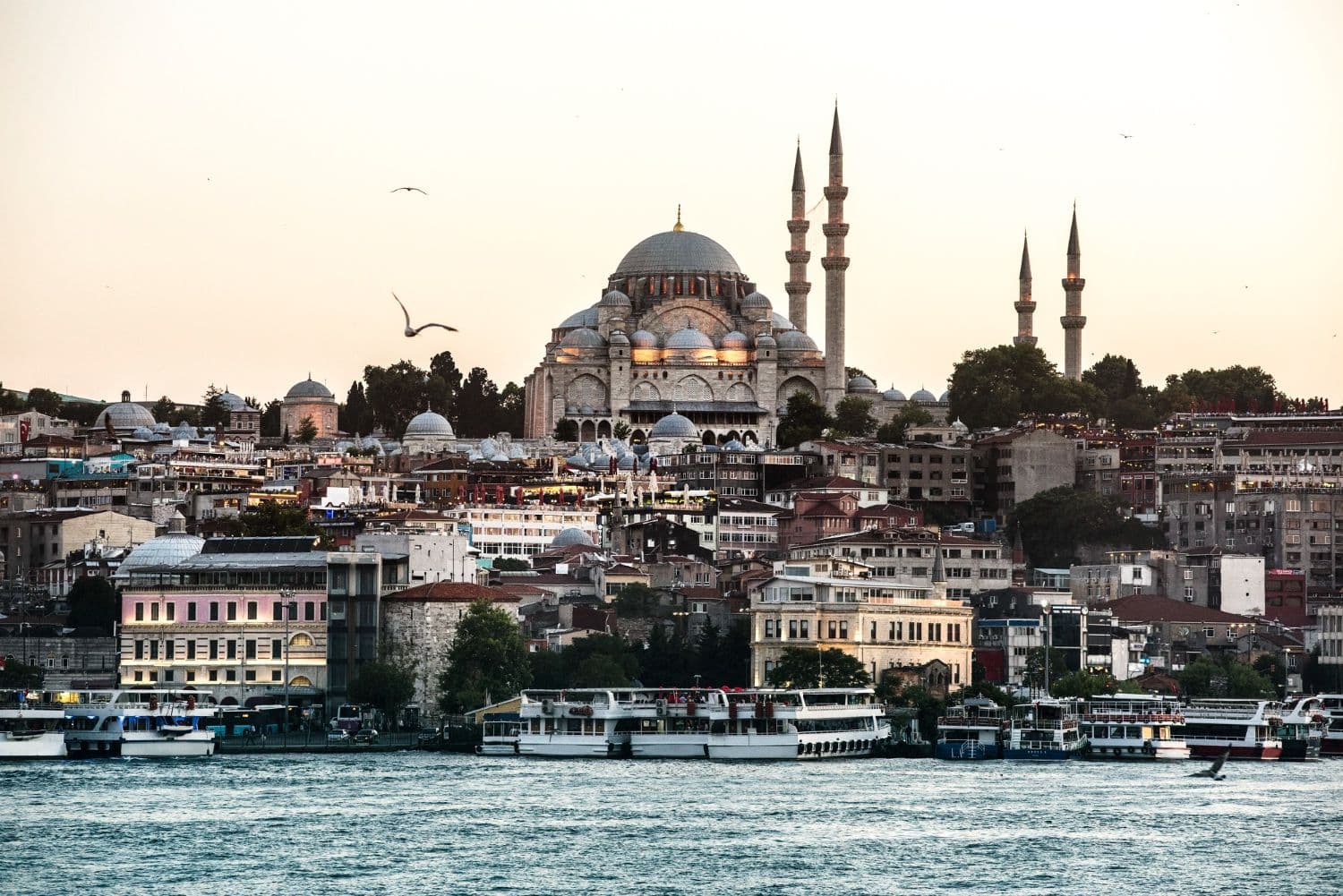
Istanbul is a city at the crossroads of Europe and Asia. It's rich, beautiful, and convenient. You can live affordably here, work in cafes, and quickly travel around the region. Key city parameters:
- Cost of living: $900–1,300 per month.
- Internet: 50–150 Mbps.
- Visas: Tourist entry, freelance options available.
- Safety: Central areas are calm.
- Climate: Mild, cool winter, warm summer.
Best for: SMM, IT, freelancers, video creators. Istanbul is attractive with its atmosphere. It's noisy but warm and cozy. It's easy to find workspaces, cafes, and affordable housing.
Pros:
- Diverse neighborhoods
- Affordable flights
- Many cafes for work
- Interesting culture
Cons:
- Traffic
- Price fluctuations
- Winter humidity
Istanbul suits those who love dynamics, large communities, and mild climate.
🇹🇷 Read also: How to get a residence permit in Turkey
Dubai, UAE
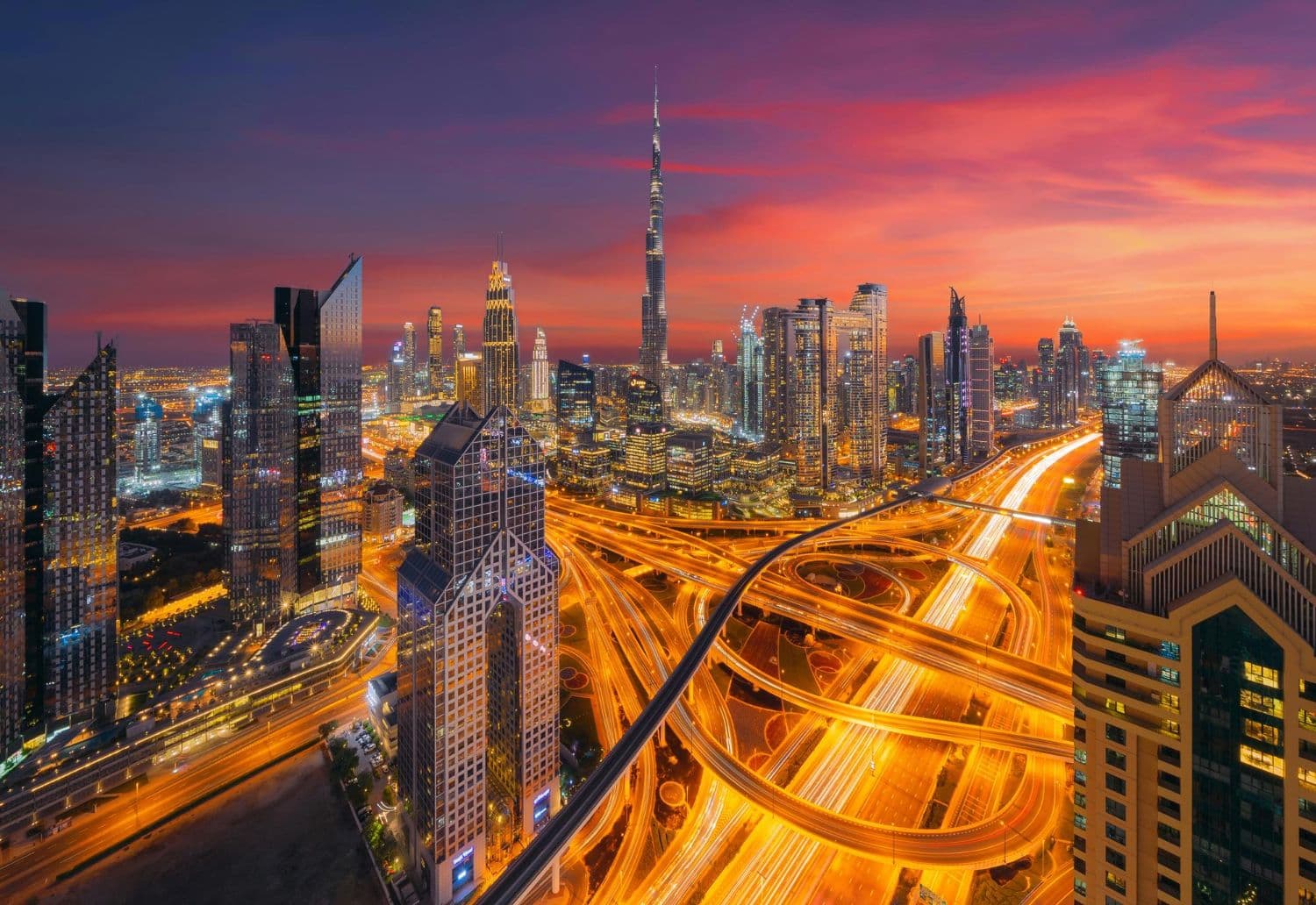
Dubai is an excellent city for digital nomads. It's safe, convenient, and perfect for those who value stability and high service levels. Key city parameters:
- Cost of living: $2,000–3,000 per month.
- Internet: 200–500 Mbps – one of the fastest in the world.
- Visas: Remote Work Visa, freelance options.
- Safety: Very high level.
- Climate: Hot, especially in summer.
Best for: IT, entrepreneurs, consultants. Dubai gives a sense of order and comfort. Everything works precisely: transport, services, internet. But the high cost of living is the main drawback.
Pros:
- Perfect infrastructure
- 24/7 safety
- International communities
- Fast internet
Cons:
- High cost of living
- Extreme heat
- Expensive rent
Dubai suits digital nomads who value service, safety, and are willing to pay for high living standards.
🇦🇪 Read also: Roaming in UAE and Dubai
Best Cities for Digital Nomads with Minimal Cost of Living
Some destinations allow you to live with almost no budget stress. These are the cheapest cities for digital nomads, where rent remains affordable, food is inexpensive, and conditions for remote work are comfortable. This option is often chosen by beginners and those seeking the best cities for digital nomads without overpaying.
- Tbilisi suits those who love calm pace and simple daily solutions.
- Canggu offers warm climate, surf, and a large community for moderate money.
- Chiang Mai remains one of Asia's most convenient cities: quiet, affordable, and stable internet.
- Ho Chi Minh appeals to those who value energetic pace and low food and transport costs.
- Mexico City combines warm weather, culture, and reasonable expenses.
These destinations often appear in lists of best cities with fast internet because they provide a good balance between cost and comfort for long-term work and living.
Read also: Residence permit and permanent residence: 5 key differences
Best Cities for IT and Remote Specialists
IT professionals don't just look at climate and prices. They need cities that help them work: fast internet, workspaces, strong communities, and convenient infrastructure. That's why there are destinations consistently chosen by those making remote work abroad their normal lifestyle.
- Lisbon attracts a mild climate and many startups. Coworking spaces are everywhere, the internet is stable, and tech meetups happen almost weekly.
- Berlin has one of Europe's strongest tech scenes. It's easy to find industry people, teams, projects, and quiet workspaces.
- Barcelona offers sea, sun, and a developed IT community. Many modern spaces perfect for coding or calls.
- Dublin is known for major IT corporations keeping offices there. The city is expensive, but opportunities are huge.
- Toronto suits those who love order. Internet here is among the best in cities with fast internet, and infrastructure is perfect for long-term work rhythm.
These destinations are often called the best cities for IT professionals because they easily support productivity, industry networking, and comfortable living even during extended relocations.

Best Cities for Expats and Long-Term Living
For long relocations, simple entry rules, safety, and a sense of stability matter. There are cities where adaptation is easier and daily life can be built for 6–12 months, especially for those seeking the best cities for travelers with laptops and a calm living pace.
- Lisbon suits those who value mild climate and clear bureaucracy.
- Bali appeals to those wanting affordable living near a large community.
- Tbilisi offers convenient entry, affordable housing, and a warm atmosphere.
- Madeira suits those who love quiet, ocean, and steady pace.
- Dubai is chosen for order, safety, and strong infrastructure.
These destinations are often considered the safest cities for expats. Adaptation to new rhythms is easy, and cost of living for digital nomads remains controllable without overpaying for comfort.
Read also: Top-10 best countries to relocate
What Visas Are Available for Digital Nomads in Different Countries?
Many choose countries not only by climate or prices, but by how easy it is to process documents. In 2025, more programs have emerged that simplify life for remote workers. These schemes help understand where to go work remotely without facing excessive bureaucracy.
- Portugal Digital Nomad Visa suits those with stable income wanting to live in the country for a year or longer.
- Spain Digital Nomad Visa is valid for up to five years and convenient for specialists planning long-term relocation.
- Italy Digital Nomad Visa targets experienced professionals with confirmed income.
- Greece Digital Nomad Visa attracts with mild climate and simple requirements.
- UAE Freelance Visa suits those seeking stability, safety, and strong infrastructure.
Most of these programs are part of broader digital nomad visa schemes, where the main requirement is remote work and income above the established minimum. Such visas allow legal residence, apartment rental, bank account opening, and choosing cities where maintaining work rhythm is easier.
How to Choose a City for Digital Nomads: Step-by-Step Guide
Choosing a new location is simpler with a clear plan. This approach helps determine whether a city truly suits your life and work. Step-by-step guide:
- Determine your budget. Compare housing and food prices.
- Decide trip duration. One month, a season, or a year.
- Check internet speed. Especially important for video calls and heavy traffic.
- Learn safety levels. Look at neighborhoods where expats live.
- Evaluate climate. Tropics, mild sea weather, or cool Europe – everything affects comfort.
- Consider language. English is enough somewhere, harder elsewhere.
- Study transportation. Convenient flights help plan routes and decide where digital nomads should go next.
- Check visas. Extension conditions, income requirements, local rules.
- Look at the community. Are there people who've already chosen this city for remote work?
This list helps understand whether a place fits your lifestyle and deserves inclusion in your personal best cities for IT specialists abroad.
Tips for Digital Nomads: How to Live and Work in New Cities
Life abroad becomes easier with a few basic rules. They help adapt faster and avoid unnecessary expenses. Useful tips:
- Rent for a month first. It's easier to understand the neighborhood and daily life.
- Work in coworking spaces. Internet is more stable there with fewer distractions.
- Cafes – only for short sessions. Noise and network speed aren't always predictable.
- Save consciously. Use local services and discount apps.
- Maintain productivity. Set work hours and take short breaks.
- Use eSIM or local SIM. It's cheaper and more reliable when traveling.
- Stay safe. Keep documents separate, equipment supervised.
- Be open to new people. Communities often suggest where to work remotely next.
These rules help maintain balance while living abroad and make any trips calmer.
Conclusion
Europe and Asia remain hubs for digital nomads. It's easy to find locations among the world's top cities for living: Lisbon, Bali, Barcelona, and other destinations with strong communities.
Each region offers advantages. Europe provides stability and clear rules, Asia offers affordability and flexibility. But the best choice always depends on your tasks, budget, and sense of home. The key is choosing a place where you're comfortable living, working, and planning further routes through the best countries for digital nomads.
Share
Share
FAQ
What is the average monthly budget for a digital nomad?
Monthly budgets vary significantly by location. Budget-friendly cities like Tbilisi, Bali, or Chiang Mai allow comfortable living on $700–1,300 per month, including housing, food, and coworking. Mid-range European cities like Lisbon or Budapest require €1,500–2,000, while premium destinations like Dubai or Berlin need $2,000–3,000 or more. Your actual budget depends on lifestyle choices, accommodation type, and dining preferences.
Do I need a digital nomad visa to work remotely abroad?
Not always. Many digital nomads start with tourist visas for short stays (1-3 months). However, for longer stays, digital nomad visas offer legal clarity and benefits like the ability to open bank accounts, sign long-term leases, and avoid visa runs. Countries like Portugal, Spain, Greece, and UAE now offer dedicated digital nomad visas with varying requirements, typically including minimum income thresholds and proof of remote employment.
What internet speed do I need for remote work?
For most remote work, 25–50 Mbps is sufficient for video calls, file uploads, and general tasks. However, if you work with large files, video editing, or need multiple simultaneous video streams, aim for 100+ Mbps. Cities like Bangkok, Dubai, and Berlin offer 200–500 Mbps in most areas. Always check coworking spaces for the most reliable connections, as home internet can be inconsistent in some destinations.
How do I find accommodation as a digital nomad?
Start with short-term rentals (Airbnb, Booking.com) for your first month to explore neighborhoods. Once settled, use local Facebook groups, expat forums, or platforms like Nomad List to find longer-term rentals at better rates. Many digital nomad hubs have dedicated housing groups where locals and expats post listings. Always view properties before committing to long-term contracts, and negotiate monthly rates for stays longer than 3 months.
Is it safe to work from cafes and public spaces?
Safety varies by city and neighborhood. In most digital nomad-friendly cities, working from cafes is common and generally safe during daylight hours. Key safety tips: use VPN for public Wi-Fi, keep valuable equipment close, avoid leaving devices unattended, back up your work regularly, and choose established cafes in safe neighborhoods. For sensitive work or important calls, coworking spaces offer more security and privacy than public cafes.
Recommended eSIMs

Pay & Fly
Unlimited data. Pay as you go
Europe & UK eSIM
33 countries
Balkans eSIM
11 countries
France eSIM
from $1.88 / day

Germany eSIM
from $1.88 / day

United Kingdom eSIM
from $1.88 / day
Italy eSIM
from $1.88 / day
Netherlands eSIM
from $1.72 / day
Denmark eSIM
from $1.72 / day

Finland eSIM
from $1.72 / day
Spain eSIM
from $1.88 / day

Greece eSIM
from $1.72 / day
Croatia eSIM
from $1.72 / day

Portugal eSIM
from $1.72 / day
Czech Republic eSIM
from $1.72 / day
Slovenia eSIM
from $1.72 / day

Romania eSIM
from $1.72 / day