Top 10 Richest Countries in the World in 2026

Table of contents

- The Richest Country in the World
- Top 10 Richest Countries in the World
- 1. Monaco – ~$256,581 per capita
- 2. Liechtenstein – ~$231,713 per capita
- 3. Luxembourg – ~$146,818 per capita
- 4. Bermuda – ~$138,935 per capita
- 5. Switzerland – ~$111,047 per capita
- 6. Ireland – ~$129,132 per capita
- 7. Iceland – ~$98,150 per capita
- 8. Cayman Islands – ~$97,750 per capita
- 9. Singapore – ~$94,481 per capita
- 10. Norway – ~$91,884 per capita
- Interesting Facts About the Richest Countries
- Which Countries Might Enter the Top 10 in the Future?
- Why This Matters for Travelers
- Conclusion
- What Actually Makes a Country "Rich"?
- The Richest Country in Europe
Share
Share
Yesim virtual SIM card for travelers
Get a 10% discount for your first purchase with the code
Ever wonder which countries are swimming in cash while the rest of us are checking our bank accounts twice before ordering guacamole? Understanding the world's wealthiest nations matters if you're thinking about where to invest, relocate, or just daydream about winning the lottery and moving somewhere nice.
Some countries are riding high on tech booms, others are literally sitting on oceans of oil, and a few tiny nations are punching way above their weight class.
But here's the thing: "richest country" is tricky to define. Are we talking total economic output? Or are we measuring wealth per person? That's where the surprises happen.
This guide breaks down the top 10 richest countries, using GDP per capita, because knowing your country produces a lot doesn't mean you see any of that money. We'll explore what makes these nations wealthy, which unexpected countries made the list, and why some places with beaches and palm trees are doing suspiciously well.
Oh, and if you're planning to visit any of these wealthy paradises, whether for business, research, or to Instagram yourself in front of expensive things, Yesim's got you covered. Our international eSIM works in 200+ countries, including every place on this list. No hunting for SIM cards, no getting scammed at airport kiosks, no crying over roaming bills. Just scan, activate, and you're online in minutes.
What Actually Makes a Country "Rich"?
Let's get nerdy for a second, but fun-nerdy, not economics-textbook-nerdy.
- Gross Domestic Product (GDP): This measures everything a country produces in a year: every burger sold, every iPhone manufactured, every consultation fee charged. The U.S. crushes this category with around $30.62 trillion.
- GDP per capita: This divides total wealth by population, showing what each person theoretically gets. It's why Luxembourg (population: basically a large suburb) outranks economic giants.
- Purchasing power parity (PPP): This is the "but what can you actually buy with that money?" adjustment. PPP accounts for cost of living, because being "rich" means nothing if a coffee costs $47.
- Gross National Income (GNI) per capita: This includes income from stuff your country owns abroad. So if your nation's companies are making banks in other countries, that counts too.
For this ranking, we're focusing on GDP per capita using current international dollars (fancy economist speak for "standardized money comparisons").
The Richest Country in the World
Monaco is the richest country on the planet, clocking in at a staggering $256,581 per person. Yes, you read that right. Over a quarter million dollars per capita.
Now, before you pack your bags for the French Riviera, let's understand why this tiny city-state squeezed between France and the Mediterranean is absolutely dominating the wealth rankings:
- It's a billionaire magnet: Monaco has zero income tax for residents. Zero. This attracts ultra-high-net-worth individuals like bees to honey. Formula 1 drivers, tech entrepreneurs, Russian oligarchs, and European royalty all call Monaco home.
- Micro-state math: With only about 39,000 residents crammed into 2 square kilometers (the size of a few city blocks), even moderate economic activity translates to astronomical per capita figures. When a third of your population is millionaires or billionaires, averages get wild.
- Monaco Grand Prix and luxury tourism: The principality runs on high-end tourism, luxury real estate, casinos, and events that bring in serious money. The Monaco Grand Prix alone generates hundreds of millions annually.
- Banking and finance: While not as massive as Luxembourg's financial sector, Monaco serves as a wealth management hub for Europe's ultra-rich, offering discretion and favorable tax treatment.
But, try buying property there. Average real estate prices exceed $50,000 per square meter. A modest one-bedroom apartment starts around $5 million. Monaco's wealth is real, but it's concentrated among a tiny elite population.
If you're there for the Grand Prix, yacht-watching, or exploring the casino where James Bond would feel at home, Yesim's eSIM for Monaco works perfectly. Install it once, use it everywhere from Monte Carlo to Milan. No more playing SIM card Tetris every time you cross a border.
Top 10 Richest Countries in the World
Let's meet the heavy hitters. The world's richest countries are ranked by how much wealth each person theoretically has access to.
1. Monaco – ~$256,581 per capita
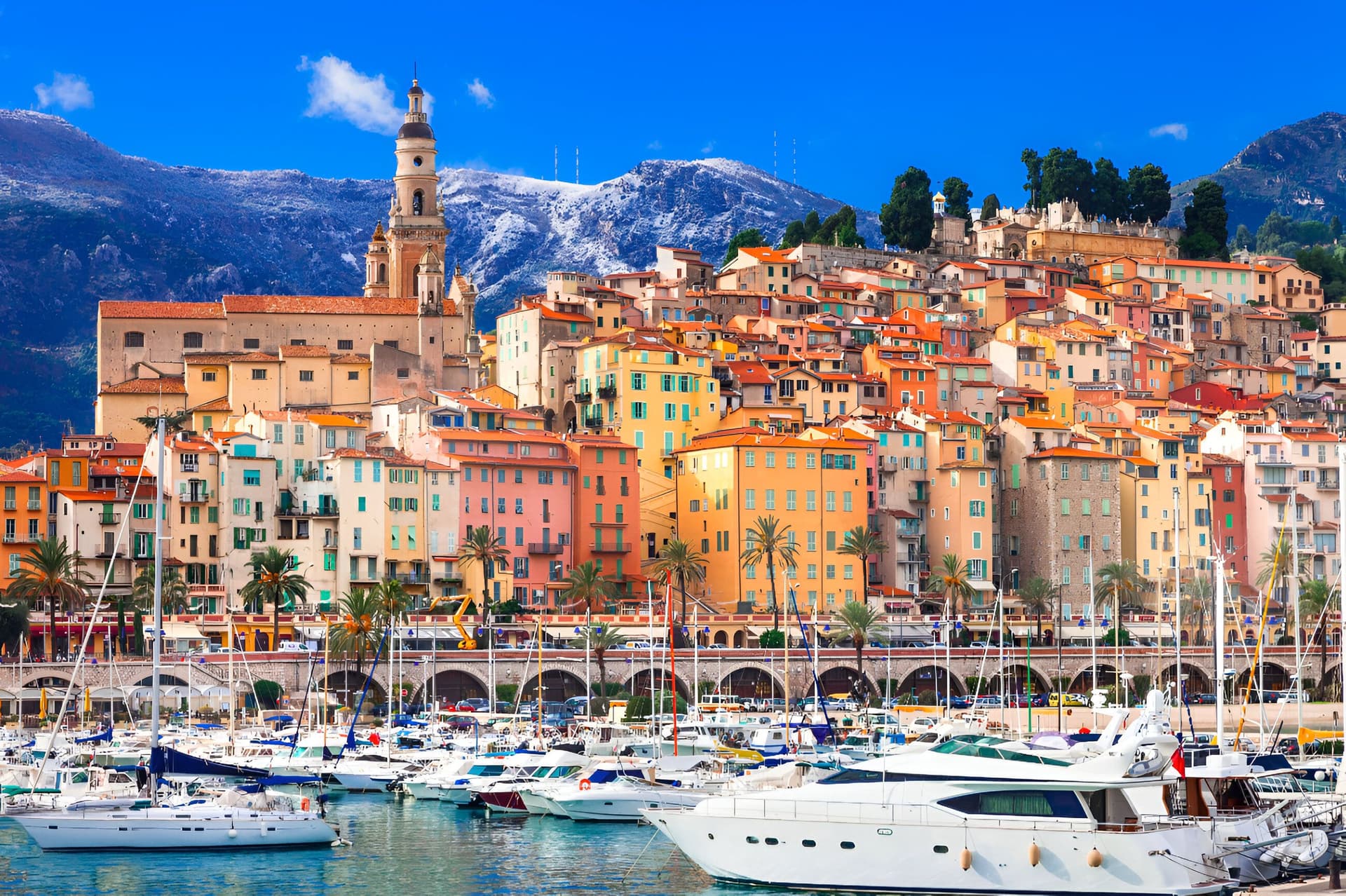
The undisputed champion. This microstate on the French Riviera has perfected the art of attracting money. No income tax creates a haven for the ultra-wealthy. When your neighbors include Formula 1 champions, tech billionaires, and European aristocracy, your per capita GDP reflects that concentration of wealth.
- Luxury tourism (Grand Prix, casinos, yacht shows
- High-end real estate (most expensive in the world)
- Banking and wealth management
- Zero income tax policy attracting high earners
🇲🇨 Reality check: Monaco's astronomical GDP per capita doesn't mean the average resident is a quarter-millionaire. The figure is skewed by having so many billionaires in such a tiny population. Still, even service workers in Monaco benefit from proximity to all that wealth: salaries are high to match the insane cost of living.
2. Liechtenstein – ~$231,713 per capita
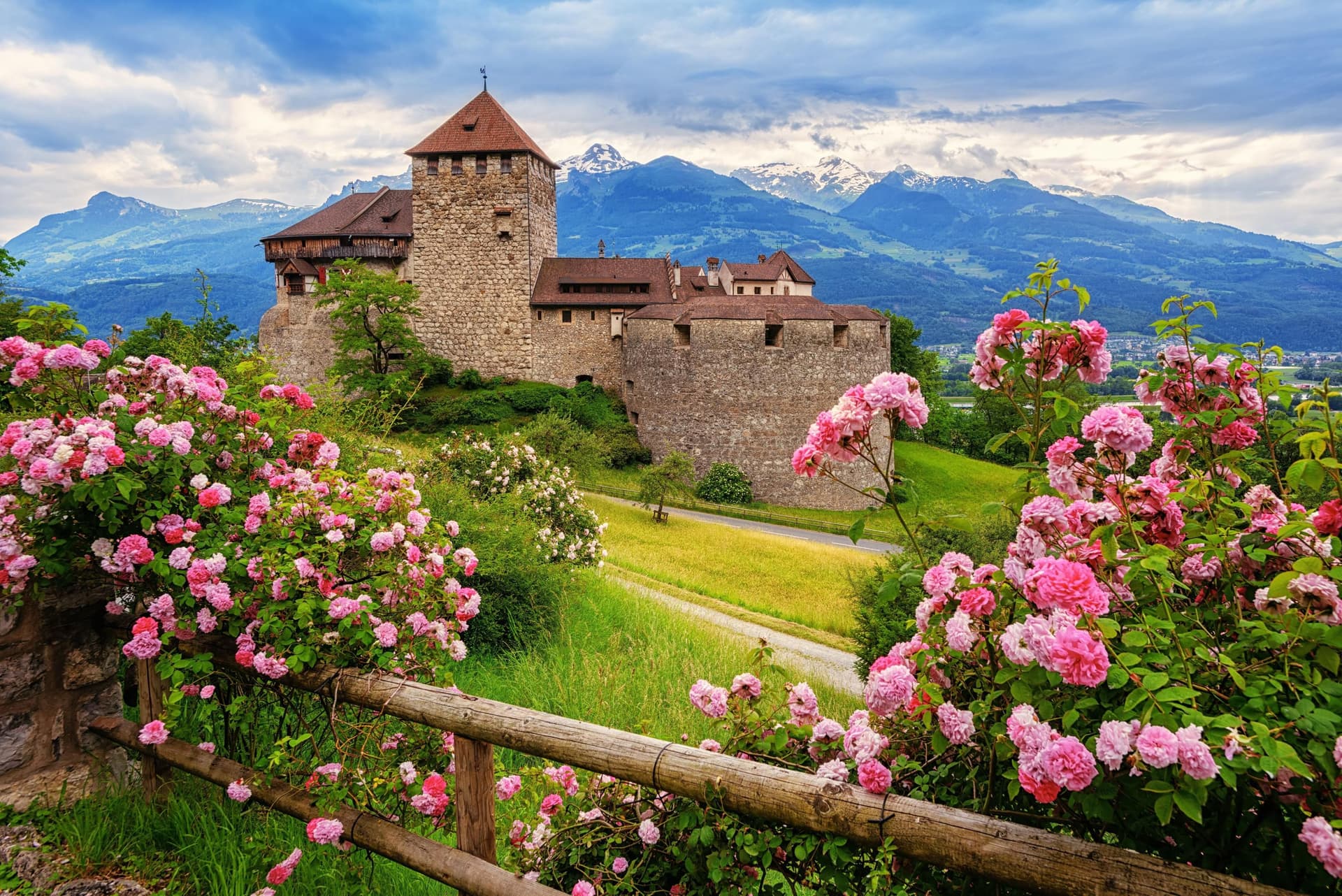
You probably forgot Liechtenstein exists. Sandwiched between Switzerland and Austria, this Alpine microstate of 39,000 people punches ridiculously above its weight.
- Low corporate taxes attract thousands of international businesses (more registered companies than citizens)
- Precision manufacturing and dental products (seriously, Liechtenstein dominates niche industrial markets
- Banking and trust services for wealthy European
- Strategic location between economic powerhouses
Liechtenstein is what happens when you combine Swiss precision, Austrian culture, and tax policies designed to attract money.
🇱🇮 Read also: Get the best eSIM for Liechtenstein
3. Luxembourg – ~$146,818 per capita
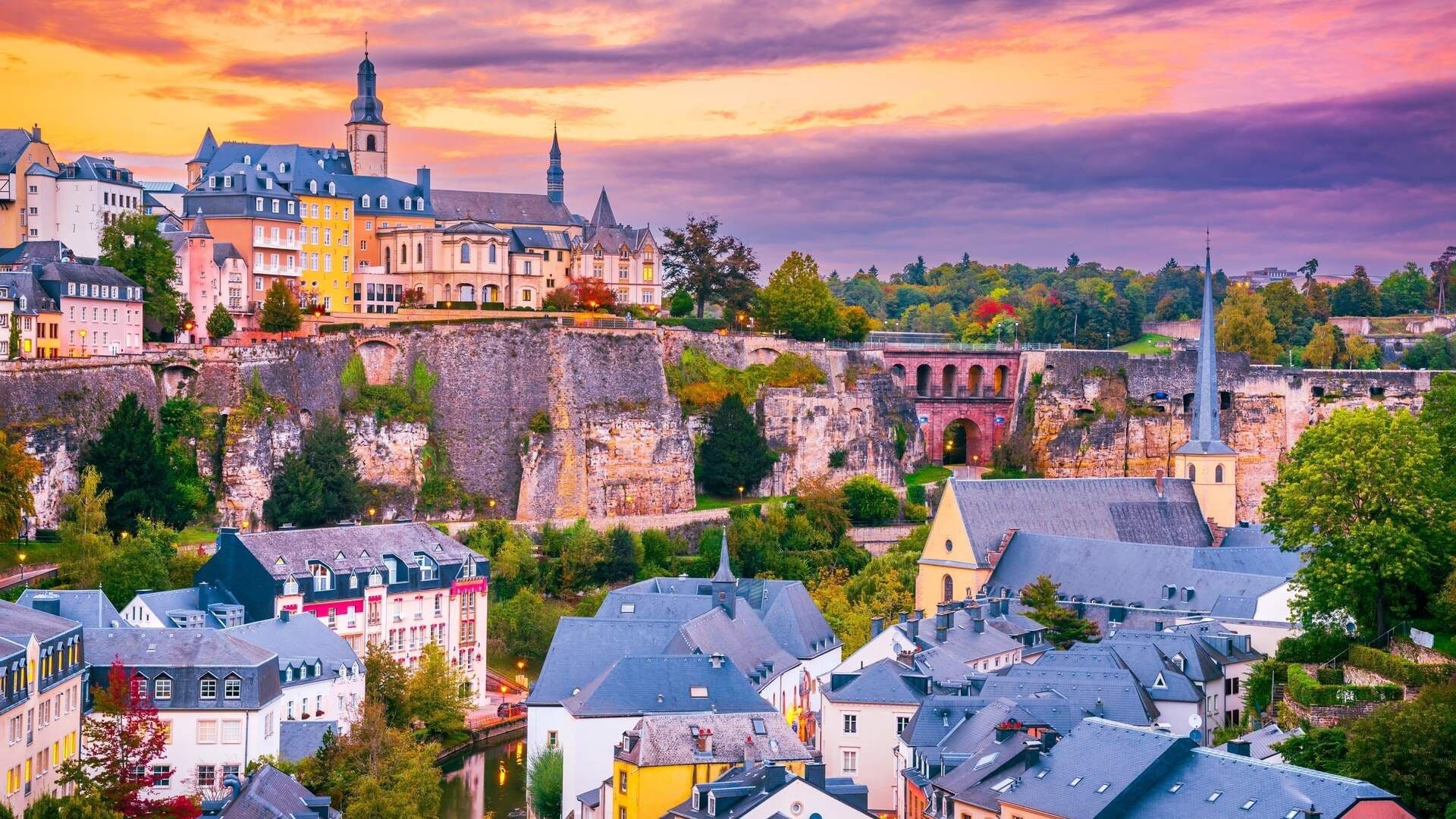
Luxembourg is the classic overachiever: small, strategic, and ruthlessly focused on high-value industries.
- Financial services make up nearly 40% of GDP
- Hosts EU institutions and international headquarters
- Favorable tax environment attracts multinational corporations
- Perfect location in the heart of Western Europe
It's basically Wall Street meets Brussels, with castles. Companies like Amazon and Skype set up European operations here for tax optimization. The country manages trillions in investment funds. And with under 700,000 residents, all that economic activity creates massive per capita wealth.
🇱🇺 Heading to Luxembourg? If you're there for banking conferences, exploring medieval fortresses, or just trying to figure out where all that money is hiding, Yesim's eSIM for Luxembourg works across all of Europe. One plan, dozens of countries.
4. Bermuda – ~$138,935 per capita
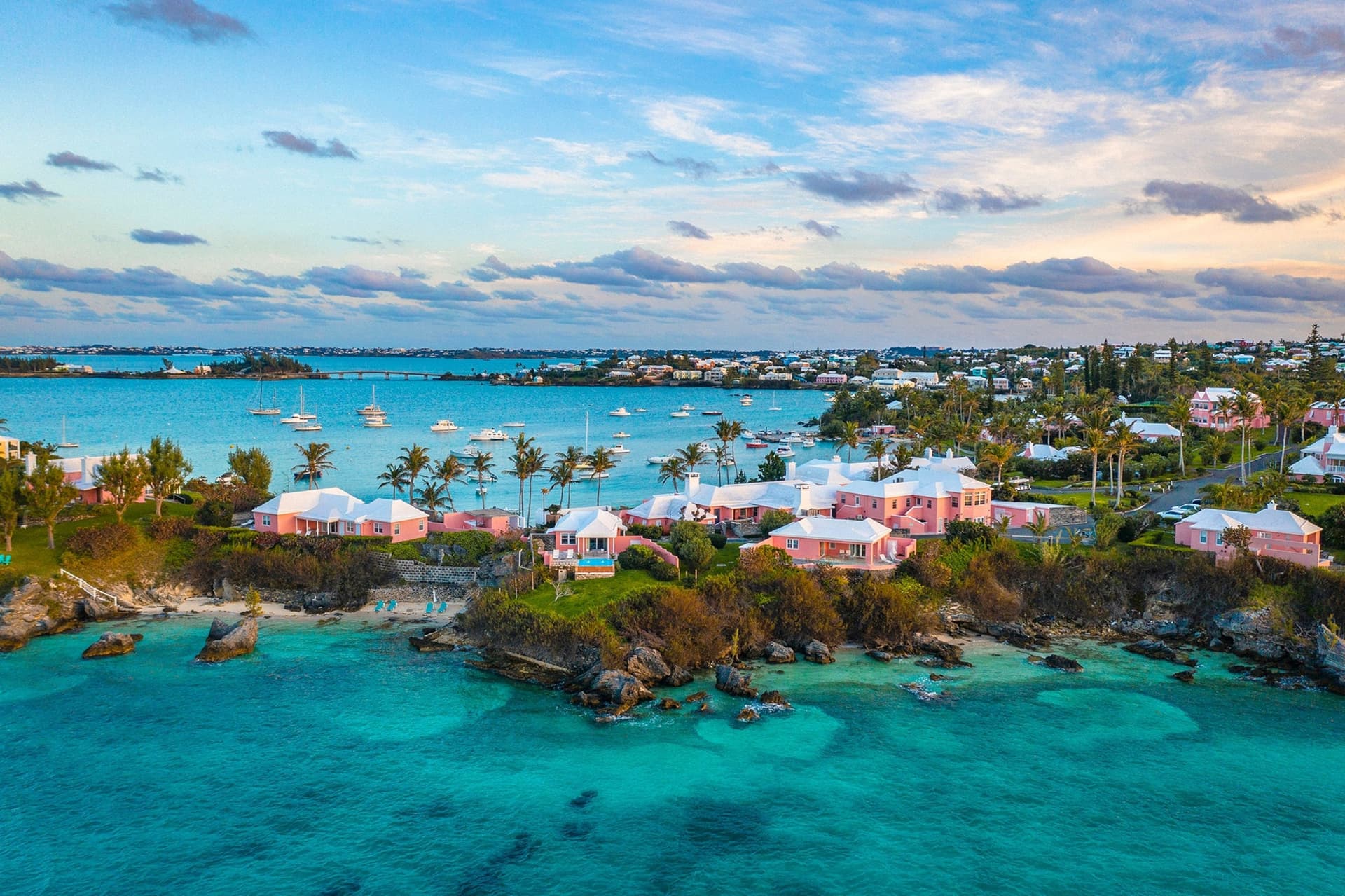
Surprise! This British Overseas Territory in the Atlantic isn't just about pink sand beaches and shorts. Bermuda is a massive international business and insurance hub.
- Global reinsurance capital (companies that insure insurance companies base here)
- Zero corporate income tax
- Strategic location between North America and Europe
- Tourism from cruise ships and luxury resorts
Bermuda attracts billions in insurance and reinsurance business by offering political stability, no corporate taxes, and highly skilled financial professionals. The island's per capita wealth rivals European financial centers, proving you don't need to be landlocked to dominate finance.
🇧🇲 Read also: Get the best eSIM for Bermuda
5. Switzerland – ~$111,047 per capita
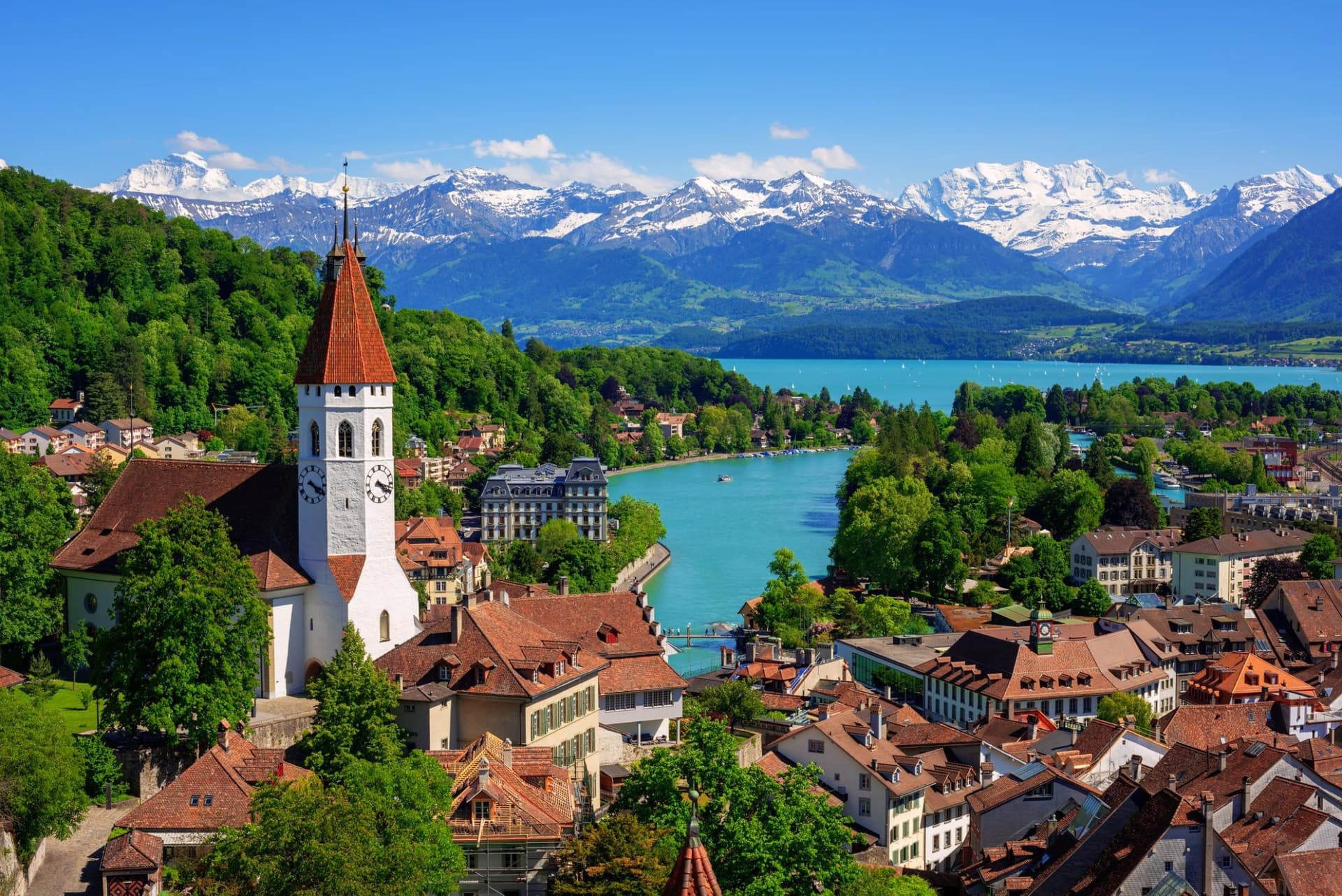
Ah, Switzerland. Where everything is expensive, but everyone can somehow afford it.
The Swiss mastered banking (with legendary secrecy, though that's mostly gone now), precision manufacturing (watches that cost more than cars), and pharmaceuticals (Novartis, Roche). They're also permanently neutral, which turns out to be great for business when everyone else is picking sides. Banking and financial services
- Precision manufacturing (watches, medical devices, machinery)
- Pharmaceutical giants
- Permanent neutrality attracting safe-haven capital
And yes, the cost of living is insane. A fast-food meal can run you $20+. But when you're making Swiss money, it works out. Allegedly.
🇨🇭 Visiting Switzerland? Between skiing in the Alps and wondering how a coffee can cost $9, you'll need mobile data. Yesim works throughout Switzerland without the shocking bills Swiss carriers love to hand out.
Read also: Mobile internet in Switzerland
6. Ireland – ~$129,132 per capita

Ireland went from potatoes to tech giants in record time. How? They rolled out the welcome mat for American tech companies looking for a friendly European base with English speakers and reasonable tax rates.
- Apple, Google, Meta, Microsoft, and major pharmaceutical companies
- 12.5% corporate tax rate (recently increased to 15% under global agreements)
- English-speaking, highly educated workforce
- EU membership providing market access
Ireland's GDP per capita is partially inflated by multinational accounting practices. Profits booked in Ireland often flow to shareholders abroad, so the wealth doesn't all stay local. But hey, money is money, even if it's technically just passing through on paper.
🇮🇪 Read also: Get the best eSIM for Ireland
7. Iceland – ~$98,150 per capita
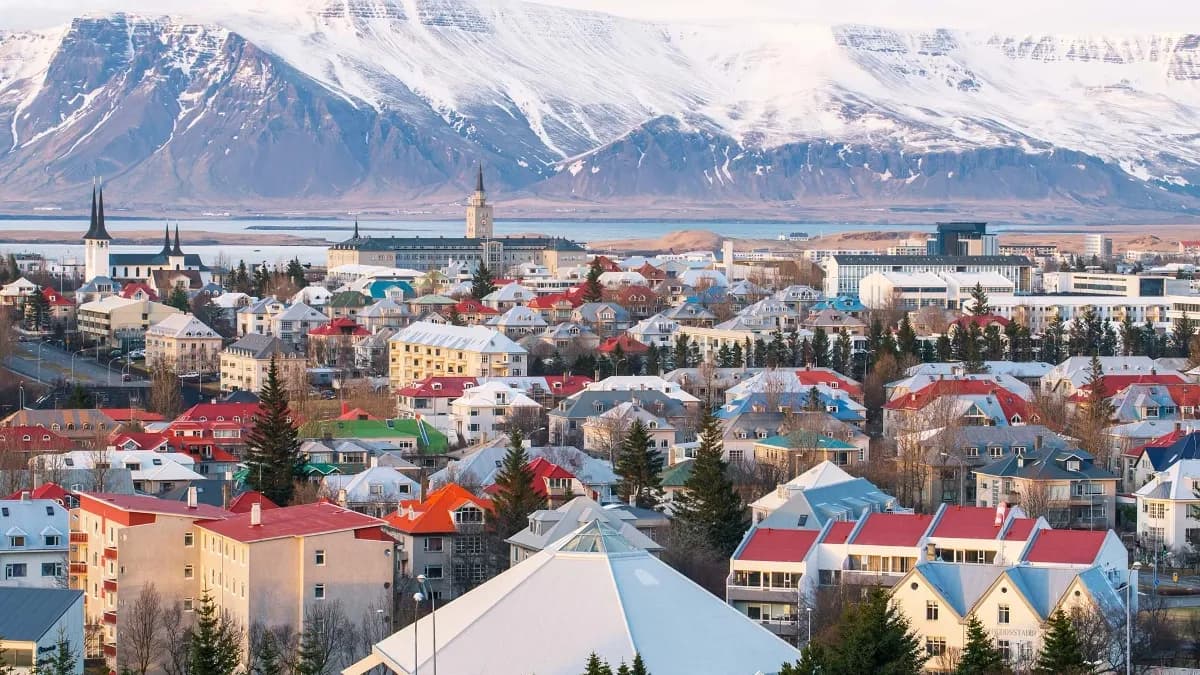
Iceland's wealth story is unexpected. This volcanic island of 380,000 people (barely a mid-sized city) built prosperity on tourism, renewable energy, and fishing.
- Tourism boom (Game of Thrones effect is real)
- Renewable energy (geothermal and hydroelectric power)
- Sustainable fishing industry
- Aluminum smelting using cheap renewable energy
Iceland nearly collapsed during the 2008 financial crisis when its oversized banking sector imploded. But the country rebuilt, pivoted to tourism and green energy, and now enjoys some of the world's highest living standards.
🇮🇸 Read also: Get the best eSIM for Ireland
8. Cayman Islands – ~$97,750 per capita
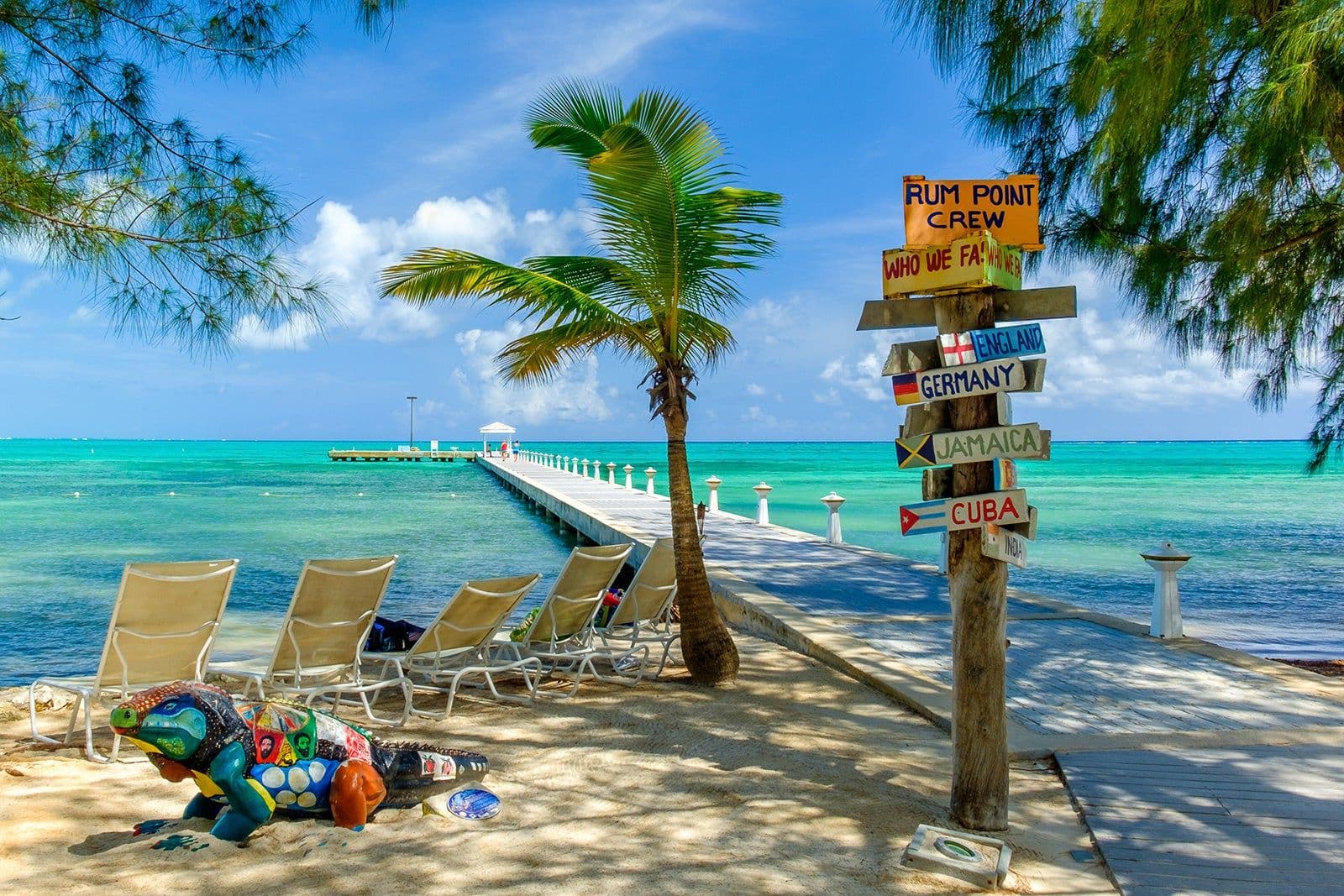
Another Caribbean tax haven makes the list. The Cayman Islands are synonymous with offshore banking, hedge funds, and companies seeking tax optimization.
- Zero direct taxation (no income tax, corporate tax, or capital gains tax)
- Major offshore financial center
- Headquarters for thousands of hedge funds and investment vehicles
- Luxury tourism
The Caymans host more registered businesses than residents. Banks, investment funds, and corporations flock here for favorable regulation and tax treatment.
🇰🇾 Read also: Get the best eSIM for Ireland
9. Singapore – ~$94,481 per capita
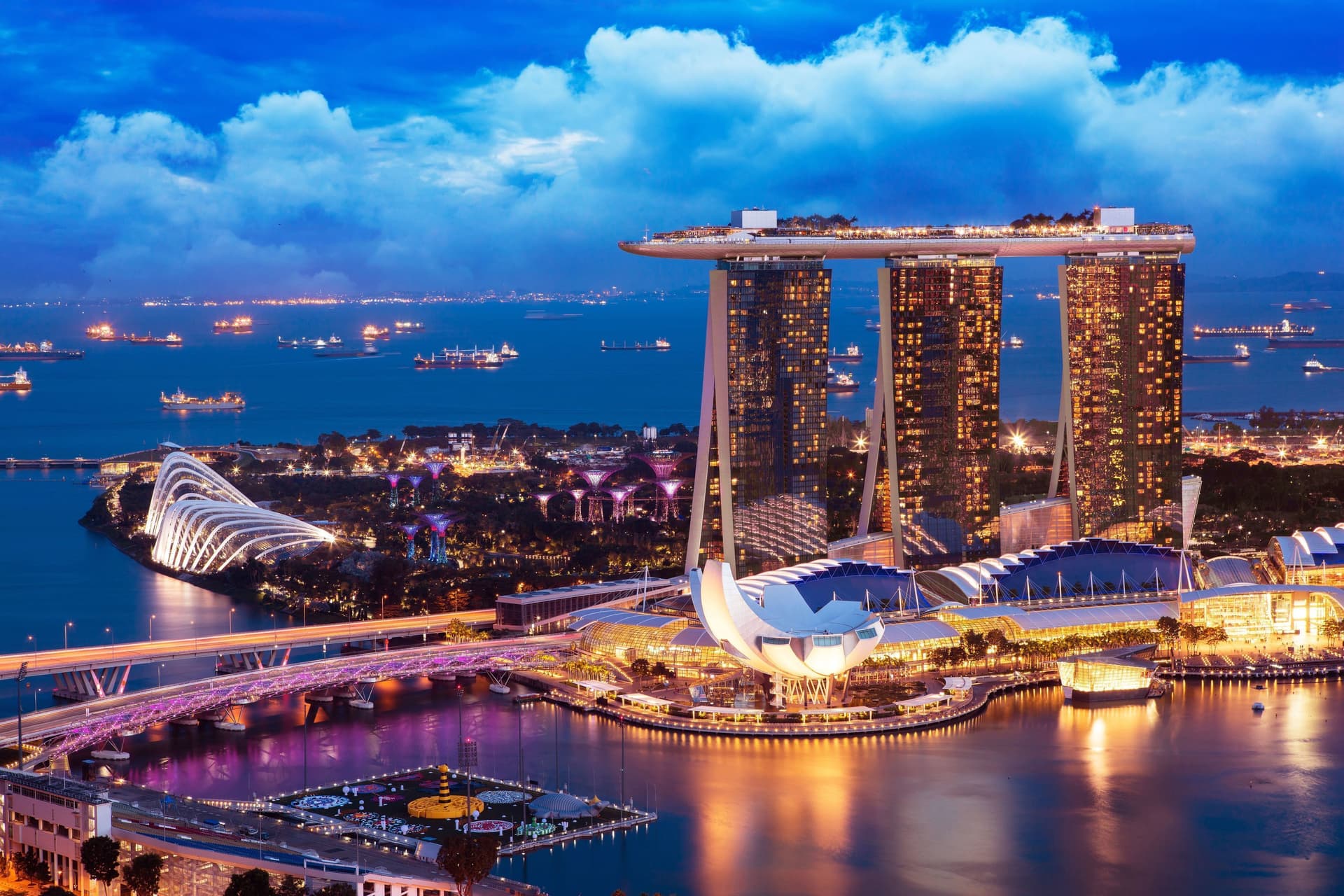
The only major Asian country in the top 10, and honestly, Singapore's entire existence is an overachiever origin story.
In 1965, Singapore got kicked out of Malaysia (yes, kicked out). No natural resources, tiny land area, no fresh water. Sixty years later? Global financial hub, busiest port in the world, and GDP per capita that makes most of Europe jealous. How Singapore did it:
- Strategic location on major shipping routes
- Zero tolerance for corruption
- Business-friendly regulations attracting multinational
- World-class infrastructure and education
Also, strict laws. Like, really strict. But economic prosperity tends to make people overlook the chewing gum ban.
🇸🇬 Singapore-bound? Yesim's Asia-Pacific coverage means you land with data already working. No need to navigate Changi Airport looking for SIM cards while jet-lagged and confused.
10. Norway – ~$91,884 per capita
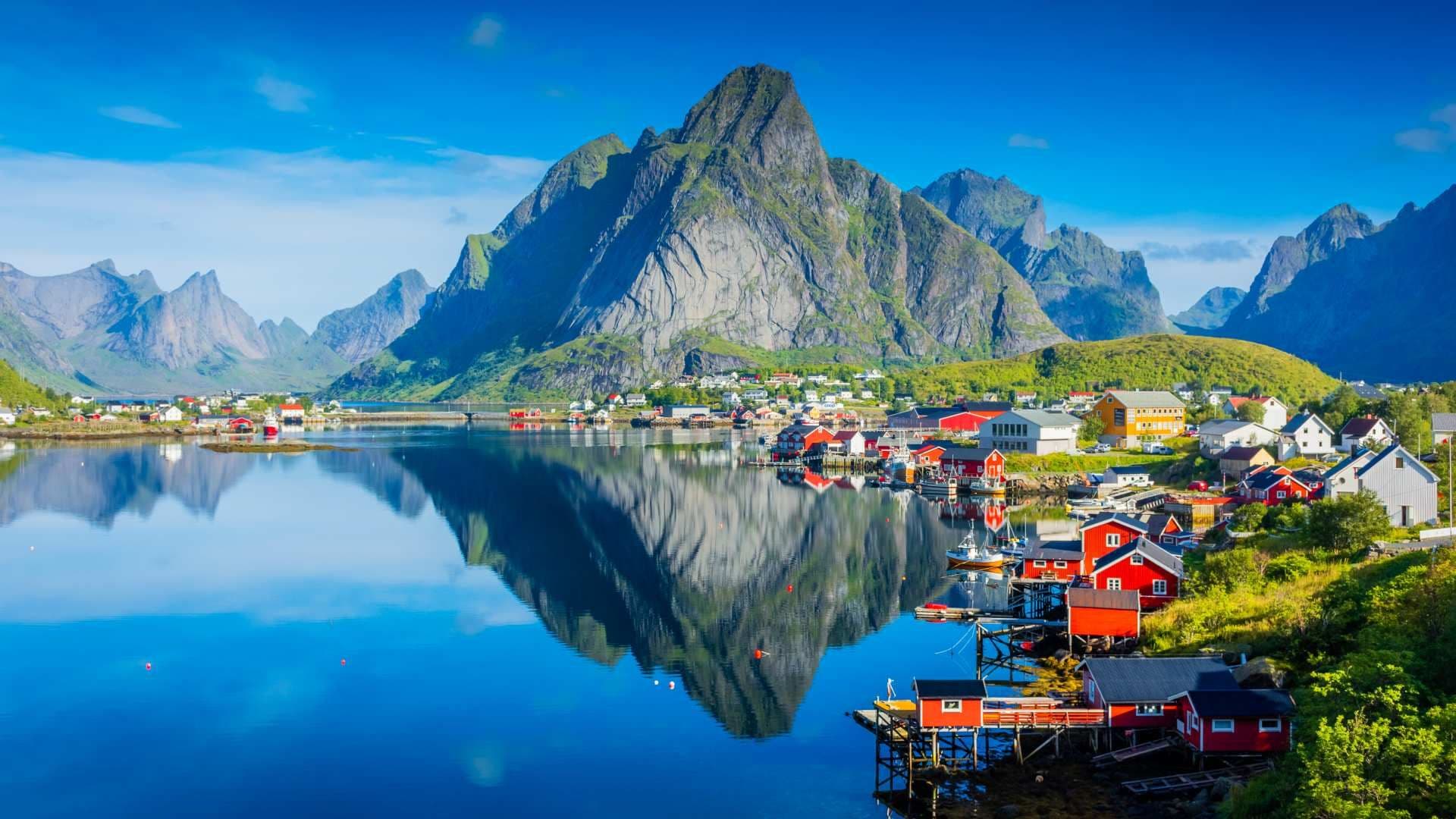
Norway discovered oil in the North Sea and did something radical: they didn't immediately spend it all on solid gold statues of fjords.
Instead, they created the world's largest sovereign wealth fund, worth over $1.7 trillion, and invested it globally. Every Norwegian citizen theoretically owns about $300,000+ of this fund. It's like a national trust fund, except one that actually benefits citizens through strong public services, free education, and healthcare that doesn't bankrupt you.
- Oil and natural gas (managed through sovereign wealth fund)
- Shipping and maritime industries
- Renewable energy (hydroelectric power)
- Fish farming and seafood exports
🇳🇴 Read also: Get the best eSIM for Ireland
The Richest Country in Europe
According to the report from the European Commission and IMF (International Monetary Fund) the following European countries are the richest ones.
- Luxembourg takes the European crown with its $146,818 per capita GDP among major nations (Monaco and Liechtenstein are microstates, so we're giving Luxembourg the "real country" award).
- Ireland leads at ~$129,132, followed by Switzerland at ~$111,047 (if you count Switzerland as Europe, which geographically yes, but politically they're the ultimate "it's complicated").
- Iceland at ~$98,150 and Norway at ~$91,884 round out the Nordic/Northern European dominance, proof that social democracy, strategic industries, and resource management make a pretty good combination.
What makes European rich countries different from Caribbean tax havens or Asian financial hubs?
- Diversification: European wealth comes from finance, tech, manufacturing, services, and trade. Even Norway, swimming in oil money, built robust non-petroleum sectors.
- Social systems: European countries tend to distribute wealth through public services: healthcare, education, infrastructure, more than their tax haven or American counterparts.
- Regulation: The EU's framework creates economic stability (and sometimes bureaucratic nightmares, but stability nonetheless).
- History: Centuries of trade routes, institutional development, and accumulated capital gave Europe economic head starts.
Interesting Facts About the Richest Countries
Four of the top 10 richest countries have populations under 100,000 (Monaco, Liechtenstein, Bermuda, Cayman Islands). It's easier to achieve astronomical per capita wealth when "everyone" is actually just a few thousand people.
- Tax havens vs. productive economies: Notice the pattern? Half the top 10 (Monaco, Liechtenstein, Bermuda, Cayman Islands, Luxembourg to some extent) built wealth through favorable tax policies attracting foreign capital. The others (Ireland, Switzerland, Iceland, Singapore, Norway) combined tax advantages with real productive industries.
- Natural resources aren't everything: Norway got rich from oil and gas. But Switzerland, Singapore, Monaco, and Luxembourg have basically zero natural resources and dominate through services, finance, and strategic positioning. There's no single path to wealth.
- Size doesn't matter (for per capita rankings): The richest countries per capita are tiny. But in absolute GDP, the U.S., China, and Germany dwarf them all. It's the difference between individual wealth and national economic power.
- Cost of living destroys the illusion: Monaco, Switzerland, Bermuda, Iceland, Norway – all have GDP per capita above $90,000+. They're also some of the world's most expensive places to live. High income meets high costs, and suddenly that wealth doesn't feel as luxurious.
The Ireland model works (kind of): Attract multinationals with tax incentives, become a corporate hub, watch GDP soar. Ireland and Luxembourg played this game successfully. Singapore did similar with manufacturing and finance. The catch? Your GDP looks great on paper, but profit might flow out to shareholders abroad.

Which Countries Might Enter the Top 10 in the Future?
The global economy never sits still. Here's who might crack the wealthiest nations list in coming years.
| Country | Current GDP per Capita (Approx.) | Why They Could Enter the Top 10 | Key Advantages | Main Risks / Constraints |
| Qatar | ~$85,000 | Already within striking distance; sustained LNG dominance and heavy global investments could push it higher | Massive natural gas reserves, very small population, sovereign wealth investments | Energy price volatility, reliance on hydrocarbons |
| United Arab Emirates | ~$80,000 | Diversification beyond oil into finance, tourism, tech, and logistics continues at scale | Global hubs (Dubai, Abu Dhabi), strong immigration of talent & capital | Regional geopolitics, long-term post-oil transition |
| United States | ~$78,000 | If AI, biotech, and productivity gains accelerate faster than population growth | World’s largest economy, tech leadership, capital markets | Large population dilutes per-capita growth, inequality |
| San Marino | ~$75,000 | Microstate dynamics make per-capita growth achievable with modest absolute gains | Tourism, financial services, proximity to Italy | Extremely small economy, regulatory pressure from EU |
What drives countries up wealth rankings?
- Technology adoption: Countries embracing AI, automation, and digital infrastructure gain productivity edges. Singapore and Ireland capitalized on this.
- Strategic positioning: Geographic or policy advantages matter. Singapore's port location, Ireland's EU access, Luxembourg's central European position – all leverage location into wealth.
- Resource management: Norway invested oil wealth. Iceland pivoted to renewable energy. Venezuela and Nigeria squandered oil riches.
- Institutional quality: Low corruption, property rights enforcement, and stable governance attract investment. Singapore's zero-tolerance corruption policy is a major competitive advantage.
- Tax optimization (controversial but effective): Like it or not, favorable tax policies attract capital and businesses. Monaco, Cayman, Luxembourg, Ireland – all leveraged tax advantages strategically.
Why This Matters for Travelers
If you're visiting these rich countries for business, investment research, or just luxury tourism, staying connected is non-negotiable.
You need maps, translation apps, communication with colleagues, and the ability to post jealousy-inducing photos immediately.
That's where Yesim comes in. One eSIM. 200+ countries. Zero hassle. Our international eSIM works in every country on this top 10 list, plus another 190+ destinations. No physical SIM cards to swap, no airport kiosk negotiations in languages you don't speak, no surprise bills when you get home. How it works:
- Buy your plan online before traveling
- Receive a QR code via email
- Scan it in your phone settings
- Land with active data in Luxembourg, Singapore, Switzerland, or wherever your next destination is
Yesim advantages:
- Global coverage: One plan covers multiple countries. Traveling through Europe? Asia? Both? Same eSIM works everywhere.
- Instant activation: Start using data minutes after landing.
- Competitive pricing: Often cheaper than local SIM cards or roaming through your home carrier.
- Keep your number: Your regular SIM stays active for calls and texts while Yesim handles data.
Exploring the world's wealthiest nations is easier when you're not hunting for Wi-Fi or dealing with confusing carrier plans. Just scan, connect, and go.
Conclusion
So there you have it, the top 10 richest countries, from Luxembourg's financial wizardry to the Netherlands' trading empire.
If you're planning to visit, work in, or invest in any of these wealthy nations or the 190+ others where opportunity exists, Yesim keeps you connected without the headaches. Because whether you're closing deals in Singapore, skiing in Norway, or just trying to find good coffee in Luxembourg, reliable mobile data shouldn't be complicated.
Install Yesim's eSIM once. Use it everywhere. And focus on what actually matters, experiencing the world. Safe travels, and may your GDP per capita always be trending upward.
Share
Share
FAQ
What's the difference between nominal GDP and GDP per capita when ranking the richest countries?
Nominal GDP measures the total value of all goods and services produced within a country, making the United States the richest country by total economic output at $30+ trillion. However, GDP per capita divides national wealth by population, revealing per-person prosperity. The International Monetary Fund and World Bank use current international dollars and purchasing power parity to compare cost of living between countries. Monaco tops per capita rankings despite tiny total GDP, proving smaller countries can offer higher living standards than larger economies.
How do the world's richest countries attract foreign investment and multinational corporations?
The top 10 richest countries in the world use strategic advantages to attract foreign investment. Monaco, Cayman Islands, and Bermuda offer zero taxation. Luxembourg sits in the heart of Europe with favorable policies attracting multinational corporations. Singapore's corruption-free governance and global financial hub status draw capital. Ireland's low corporate rates lured tech giants. These wealthiest nations also provide political stability, strong property rights, and integration into global supply chains, making it easier for businesses to diversify operations and access wealthy consumer markets.
Can I get a visa or golden visa program to move to one of the richest nations?
Immigration to the world's richest countries varies dramatically. Portugal, UAE, and some Caribbean nations offer golden visa programs, residence permits through investment (typically $250,000-$500,000+). Norway and Iceland have digital nomad visas for remote workers. Singapore, Switzerland, and Monaco require substantial wealth or job sponsorship. Among the wealthiest nations, smaller countries like Liechtenstein severely limit immigration, while Ireland welcomes EU citizens and skilled tech workers. The richest countries also prioritize high-net-worth individuals who won't burden public services but will contribute to national wealth and economic output.
How does purchasing power parity affect the real standard of living in rich countries?
GDP per capita tells one story; purchasing power parity reveals reality. The World Bank and IMF calculate wealth per capita using current international dollars adjusted for cost of living between countries. Switzerland's $111,000 per capita looks impressive until you pay $30 for pizza. Norway's high GNI per capita includes sovereign wealth funds, but groceries cost double U.S. prices. Meanwhile, some top 20 economies offer better actual living standards with lower nominal GDP because housing, food, and services cost less, your exchange rates stretch further in practice.
Why do smaller countries dominate the list of the world's richest countries by GDP per capita?
Discover the richest countries and you'll notice a pattern: tiny populations. Monaco, Liechtenstein, Luxembourg, Bermuda, all have under 700,000 residents. When you calculate per capita GDP (total value of goods and services produced within borders divided by population), smaller countries with specialized economies generate astronomical figures. One of the richest strategies is focusing on high-margin sectors: finance, tourism, tax optimization. These wealthiest nations can't compete in manufacturing scale, so they diversify into services attracting global wealth. The country also benefits from concentrated prosperity versus poorest countries with massive, underemployed populations.
Recommended eSIMs

Pay & Fly
Unlimited data. Pay as you go
Europe & UK eSIM
33 countries
Balkans eSIM
11 countries
France eSIM
from $1.88 / day
Germany eSIM
from $1.88 / day
United Kingdom eSIM
from $1.88 / day
Italy eSIM
from $1.88 / day
Netherlands eSIM
from $1.72 / day
Denmark eSIM
from $1.72 / day
Finland eSIM
from $1.72 / day
Spain eSIM
from $1.88 / day
Greece eSIM
from $1.72 / day
Croatia eSIM
from $1.72 / day
Portugal eSIM
from $1.72 / day
Czech Republic eSIM
from $1.72 / day
Slovenia eSIM
from $1.72 / day
Romania eSIM
from $1.72 / day