
Safest Countries in the World: Top 10 Safest Places to Live & Travel in 2026

Table of contents

Share
Share
Yesim virtual SIM card for travelers
Get a 10% discount for your first purchase with the code
Which countries are truly the safest? This article breaks down the top 10 safest countries in the world, using real crime data, GPI scores, and structural analysis for travelers looking for the safest place to visit and people evaluating the best places to live. We also cover what the global peace index rankings miss, and the mistakes people make when choosing countries to visit based on safety alone.
Key takeaways
- The Global Peace Index (GPI) ranks 163 countries across 23 indicators, it's the most widely cited measure of national safety and peacefulness.
- Iceland has held first place for 15 consecutive years; it has no military and its police don't carry firearms.
- Most of the world's safest countries share two traits: low inequality and high public trust in institutions.
- Safety rankings vary by what you're measuring: crime, political stability, infrastructure, or healthcare all tell different stories.
- Traveling to safe countries still requires planning: petty theft, road conditions, and healthcare access differ widely within each country.
What makes a country one of the safest in the world?
"Safe" sounds simple. It isn't. A country with a low homicide rate might rank poorly on political instability. A place with almost no street crime might score badly on the militarization index. Rankings diverge because safety itself has multiple dimensions.
The Global Peace Index , published annually by the Institute for Economics and Peace (IEP), currently provides the most comprehensive measure. It scores 163 countries across 23 indicators in three broad categories:
- Societal safety and security: homicide rate, violent crime, incarceration rate, access to weapons, fear of violence.
- Ongoing domestic and international conflict: armed conflict deaths, intensity of internal conflict, neighboring country relations.
- Militarization: military expenditure as a percentage of GDP, nuclear capability, armed services personnel per 100,000 people.
- A lower GPI score means greater peacefulness. Iceland's 2025 score: 1.112. For comparison, the least peaceful countries score above 3.4.
Other organizations publish their own indices. The Economist Intelligence Unit's Safe Cities Index focuses specifically on urban environments across digital security, health security, infrastructure security, and personal security. Berkshire Hathaway Travel Protection's annual report ranks countries by travel safety from a different angle, traveler incidents and emergency responses. These different lenses often confirm the same destinations.
Safest countries in the world ranking

The Global Peace Index covers the data most relevant to travel and relocation planning. Here's where the top ten safest countries stand:
| # | Country | GPI Score (2025) | Region | Standout factor |
| 1 | Iceland | 1.112 | Northern Europe | No military; unarmed police |
| 2 | Denmark | 1.305 | Northern Europe | Near-zero corruption, universal welfare |
| 3 | Ireland | 1.312 | Western Europe | Rapid rise from 11th (2021) to consistent top 3 |
| 4 | New Zealand | 1.323 | Oceania | Unarmed police; no deadly wildlife |
| 5 | Austria | 1.334 | Central Europe | Low serious crime; minimal terrorism |
| 6 | Singapore | 1.347 | Southeast Asia | Highest personal security score in any Gallup survey |
| 7 | Portugal | 1.355 | Southern Europe | Crime dropped sharply after unemployment fell from 17% to under 7% |
| 8 | Slovenia | 1.369 | Central Europe | Top scores on travel security, medical risk, and road safety |
| 9 | Japan | 1.336 | East Asia | Tokyo ranked #1 safest city globally (EIU, 2019) |
| 10 | Switzerland | 1.339 | Central Europe | Centuries of military neutrality; Geneva hosts 40+ international orgs |
Top 10 safest countries in the world
The ten safest countries in the world 2026 rankings are drawn from the global peace index data, cross-referenced with UNODC crime statistics and Numbeo's Crime Index. These are countries that consistently rank among the safest across multiple independent measures of peacefulness, criminal justice systems, internal peace, and stable political environments.
1. Iceland
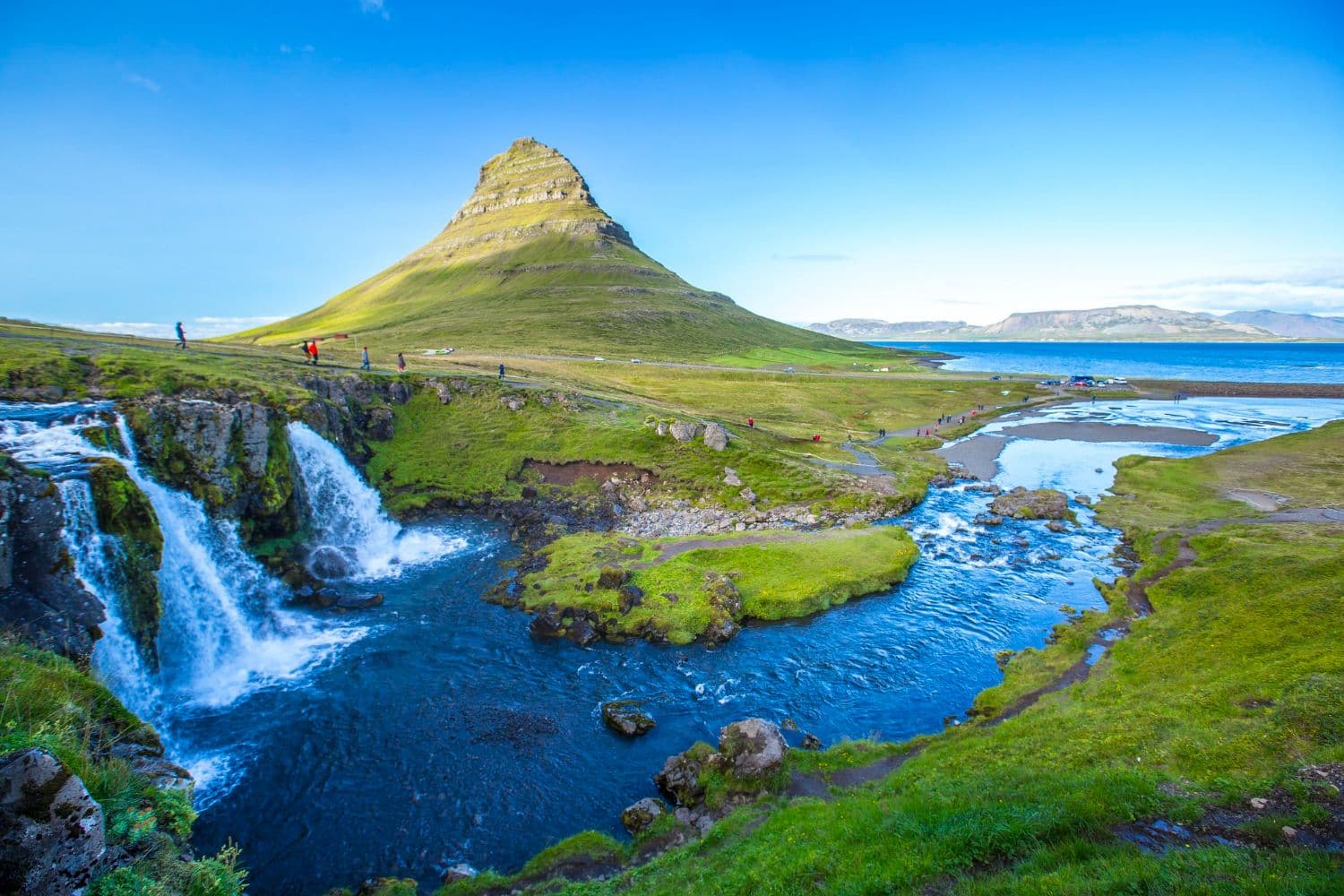
GPI score: 1.112 | Homicide rate: ~0.5 per 100,000 (one of the lowest ever recorded) | Population: 382,000
Iceland's homicide rate is so low that individual murders make national news. According to UNODC data, Iceland averages fewer than 2 homicides per year across the entire country. The Numbeo Crime Index rates Iceland at roughly 20 out of 100, anything below 20 is considered "very low." For context, the EU average sits around 45.
- Iceland has no military. Defense falls under NATO's umbrella, but Iceland contributes no troops and maintains no standing army, unique position among NATO members. The national police force (Lögreglan) is unarmed; officers carry extendable batons and pepper spray. The last time Icelandic police fatally shot someone was 2013 and the country went into national mourning.
- The Gini coefficient (a measure of income inequality, where 0 = perfect equality) sits around 0.26 in Iceland, among the lowest in the world. Research consistently links low inequality to low violent crime. Iceland also has a 99%+ literacy rate, near-full employment, and a universal healthcare system. Trust in government and institutions regularly polls above 60%, which is exceptional by any measure.
Neighboring country relations: Iceland has no land borders. Its nearest neighbors are Greenland (Danish territory), Norway, and the Faroe Islands: all stable, peaceful nations with no territorial disputes with Iceland. The country has been free of any external conflict or military threat for its entire modern history.
🇮🇸 Stay connected from the moment you land with eSIM for Iceland
2. Denmark
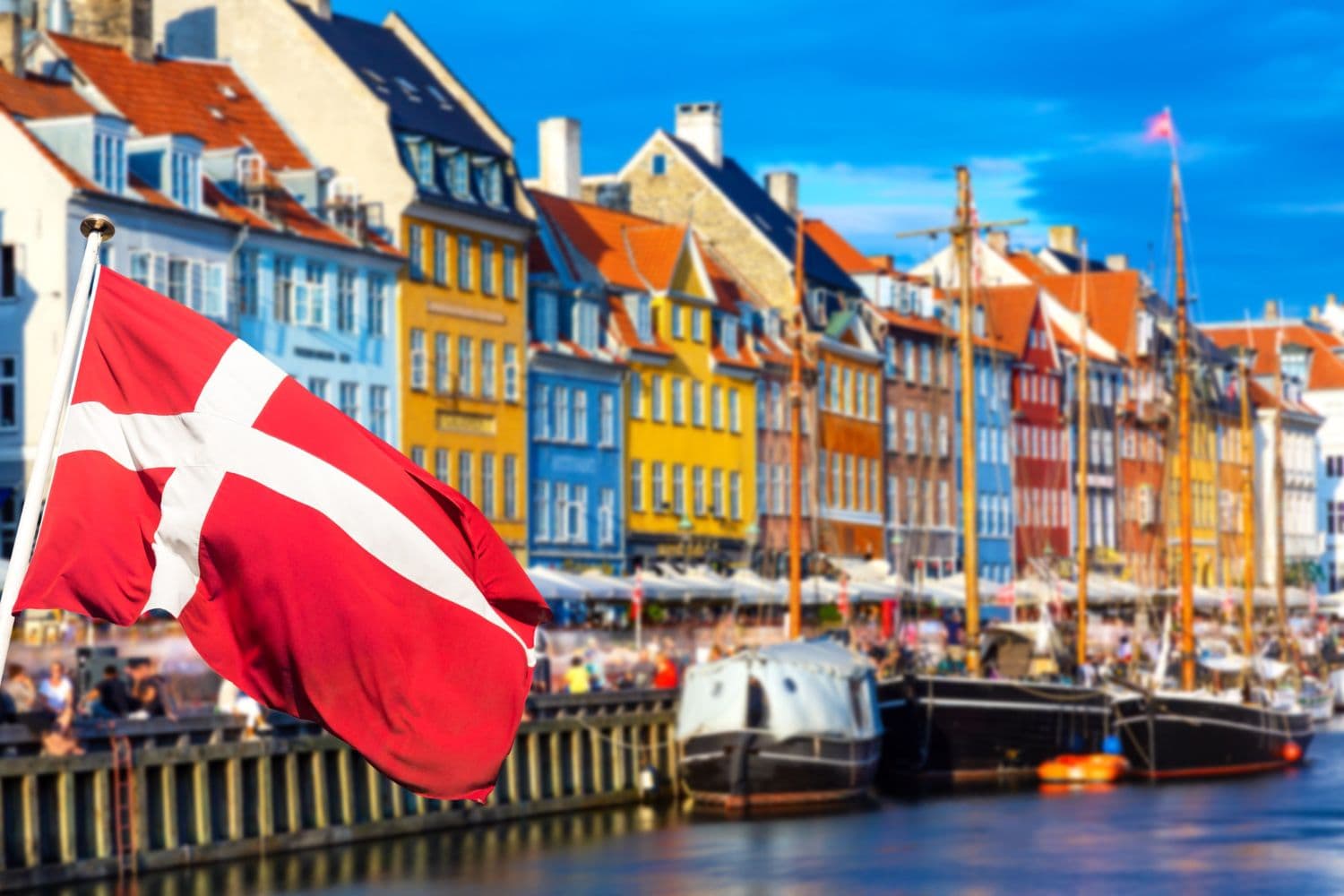
GPI score: 1.305 | Homicide rate: ~0.8 per 100,000 | Population: 5.9 million
Denmark's homicide rate has hovered between 0.7 and 1.0 per 100,000 for the past decade, well below the EU average of around 1.5. The Numbeo Crime Index places Denmark at approximately 24, in the "low" category. Gang-related shootings in Copenhagen have drawn attention in recent years (a localized surge between 2017 and 2021), but even at their peak, total firearm homicides numbered in the low double digits nationally and have since declined sharply following targeted police operations.
Denmark scores near the top of every measure of institutional trust. Transparency International's Corruption Perceptions Index has ranked Denmark first or second in the world for over a decade. When people trust that the system works: courts, police, welfare they don't need to operate outside it.
The welfare model matters directly. Denmark offers tuition-free university education, universal healthcare with no co-payments, and home-care services for the elderly. Income inequality (Gini ~0.29) is low. Unemployment is structurally low and supported by the "flexicurity" model, which makes it easy to hire and fire but guarantees robust support for workers between jobs.
Neighboring country relations: Denmark shares a land border with Germany, a fellow EU and NATO member, and maritime borders with Sweden and Norway, both allies. Relations with all neighbors are stable and cooperative. Denmark is a founding NATO member and active EU participant, with no territorial disputes.
🇩🇰 Land in Denmark and get online in minutes. Pick a plan that fits your trip, install your eSIM, and stay connected from day one with fast, reliable data. Get your Denmark eSIM.
3. Ireland

GPI score: 1.312 | Homicide rate: ~0.8 per 100,000 | Population: 5.1 million
Ireland recorded 40–50 homicides per year in recent data, giving it a rate of roughly 0.8 per 100,000, below the EU average. The Numbeo Crime Index places Dublin around 36, which is moderate for a European capital, but the national figure is considerably lower. The Central Statistics Office of Ireland reports that most crime involves theft, minor assault, and public order offenses. Violent, stranger-initiated crime is rare.
- Ireland's transformation from one of Europe's poorer nations (GDP per capita ~$13,000 in 1990) to one of its wealthiest ($100,000+ by 2023) happened fast, and the social fabric absorbed it. The Garda Síochána (Irish police) are unarmed as a matter of policy, a tradition dating to the foundation of the state in 1922. Firearms are strictly licensed; gun ownership is around 7 per 100 people, compared to 120 in the U.S.
- Ireland officially resolved the Troubles, three decades of political violence in Northern Ireland, through the 1998 Good Friday Agreement. Dissident republican activity still exists but at a low level; the Irish government and security services monitor it actively. The risk to ordinary residents or tourists is negligible.
Neighboring country relations: Ireland's only land border is with Northern Ireland (part of the UK). Post-Good Friday Agreement, this is an open, peaceful border. Relations with the UK are complex post-Brexit but not threatening. Ireland's EU membership and geographic position (island nation on the western edge of Europe) insulate it from most continental disputes.
🇮🇪 Arrive in Ireland with data already sorted. Install your eSIM for Ireland in minutes, pick a plan that fits your stay, and stay connected from the first step outside the airport.
4. New Zealand
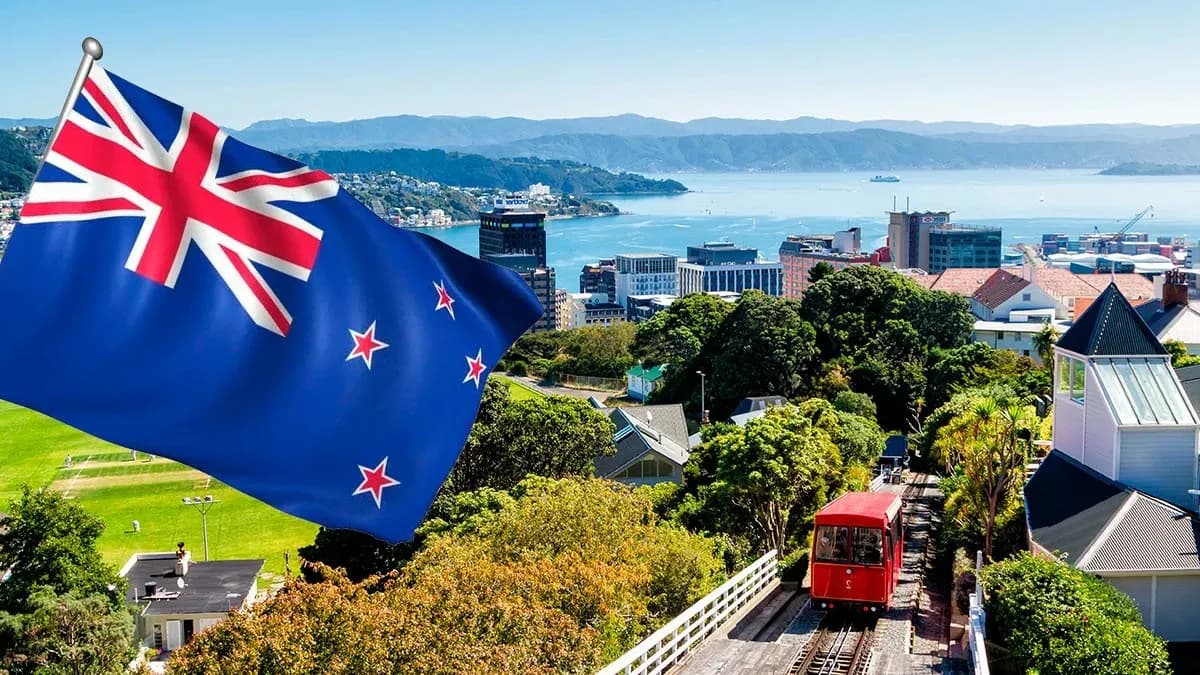
GPI score: 1.323 | Homicide rate: ~0.9 per 100,000 | Population: 5.1 million
New Zealand's homicide rate sits just below 1.0 per 100,000, modest by global standards, though slightly higher than Iceland or Japan. The New Zealand Police's annual crime statistics show that violent crime accounts for a small fraction of total offenses; most recorded crime involves theft, fraud, and drug offenses. Serious assaults have declined over the past decade.
- New Zealand Police are routinely unarmed on patrol, one of the few forces in the world to maintain this. (Armed Response Teams exist as a separate unit for specific situations.) Firearms legislation tightened significantly after the 2019 Christchurch attack, with military-style semi-automatics and most assault rifles banned within weeks. Gun ownership now sits around 26 per 100 people, and buyback programs removed over 56,000 weapons.
- The Gini coefficient is around 0.33, moderate inequality by developed-nation standards, though higher than the Nordic countries. Strong social spending and a functioning public health system (with free emergency care for visitors under the ACC no-fault accident compensation scheme) underpin the safety framework.
Neighboring country relations: New Zealand's nearest significant neighbor is Australia, with whom it has one of the closest bilateral relationships in the world, open borders for citizens, shared defense arrangements, and the Five Eyes intelligence alliance. No territorial disputes exist. Pacific Island neighbors (Fiji, Tonga, Samoa, etc.) have stable, cooperative relationships with New Zealand.
🇳🇿 Read also: How to get mobile internet for New Zealand
5. Austria
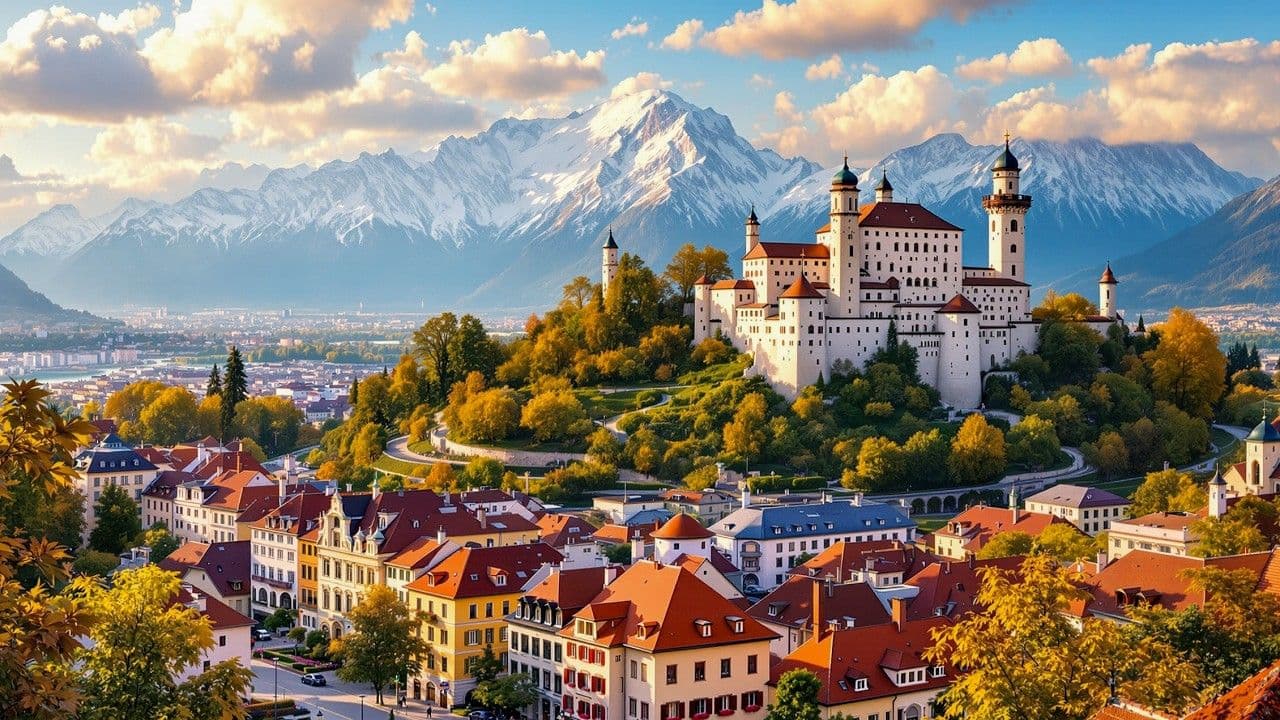
GPI score: 1.334 | Homicide rate: ~0.7 per 100,000 | Population: 9.1 million
Austria's homicide rate is consistently one of the lowest in the EU, roughly 0.7 per 100,000 in recent years, compared to an EU average of 1.5. Eurostat data places Austria among the top five EU states for lowest intentional homicide rates. The Numbeo Crime Index for Vienna is around 27, placing it firmly in the "low" category. Total recorded crime has trended downward since the mid-2010s.
Austria's safety rests on a combination of high income (GDP per capita ~$55,000), low unemployment (~5%), and strong social infrastructure. The Gini coefficient is approximately 0.30. The country's police force, Bundespolizei, has a good reputation for professionalism and public trust. Vienna's public transport system, ranked best in Europe in multiple surveys, means people move around safely and reliably at all hours.
Austria has no significant domestic terrorist movement and no active separatist conflict. The 2020 Vienna attack (a gunman killed four people near the opera district) was a tragedy, but it was isolated and swiftly contained. Austria has experienced no repeat incidents and has since strengthened counter-terrorism cooperation with EU partners.
Neighboring country relations: Austria borders Germany, Switzerland, Liechtenstein, Italy, Slovenia, Hungary, Slovakia, and the Czech Republic, all EU member states (Germany, Italy, and others are also NATO allies). Austria itself is not a NATO member, maintaining official neutrality since 1955. This neutrality is constitutionally enshrined and broadly respected by all neighbors. No territorial disputes exist.
🇦🇹 Get eSIM for Austria in minutes to avoid roaming and hassle.
6. Singapore
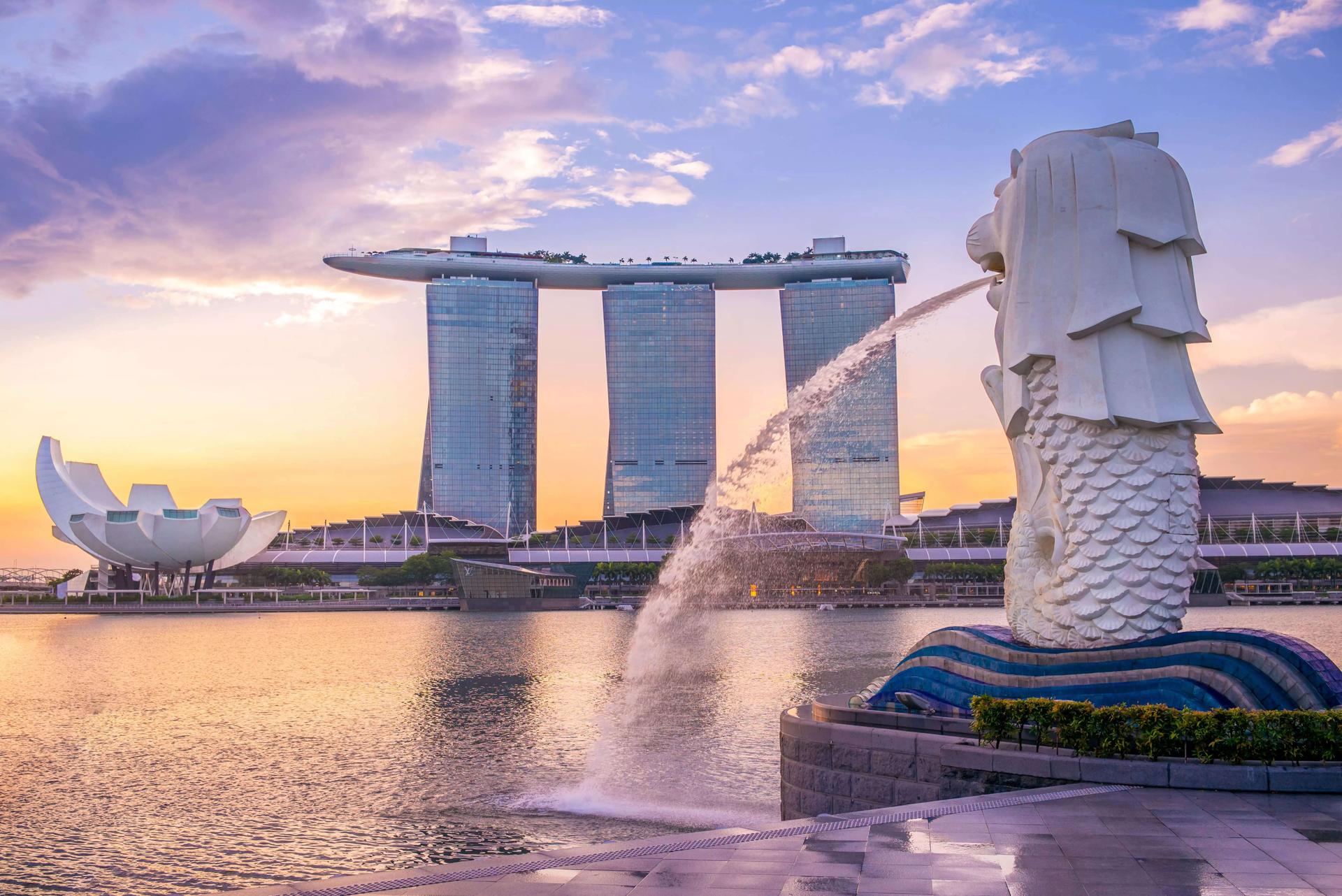
GPI score: 1.347 | Homicide rate: ~0.2 per 100,000 | Population: 5.9 million
Singapore's homicide rate is one of the lowest recorded anywhere on earth, around 0.2 per 100,000, which translates to roughly 12–15 murders per year across the entire city-state. The Numbeo Crime Index for Singapore sits at approximately 22, in the "low" bracket. Street robbery, bag snatching, and assault are rare enough that many residents leave valuables on café tables while ordering coffee.
Three interlocking factors: strict enforcement, severe penalties, and dense surveillance. Singapore's Misuse of Drugs Act carries mandatory death sentences for trafficking above threshold quantities. Vandalism is punishable by caning. Even minor offenses (littering, jaywalking, eating on the MRT) carry fines that are actually enforced. Whether you agree with this approach or not, the deterrence effect on serious crime is statistically clear.
- Firearms access is essentially zero for civilians. The Arms Offences Act makes unauthorized possession of a firearm punishable by death. There are no civilian gun ranges; no equivalent of a "right to bear arms" exists in Singaporean law or culture.
- Societally, Singapore's low income inequality (Gini ~0.36 after taxes and transfers) and near-zero unemployment combine with a highly educated population and strong institutional trust. The 2018 Gallup Law and Order Report found that 97% of Singaporeans felt safe walking alone at night, the highest figure recorded in that survey.
Neighboring country relations: Singapore's neighbors are Malaysia (to the north, connected by two causeways) and Indonesia (to the south, across the Strait of Malacca). Relations with Malaysia are functional if occasionally tense over specific bilateral issues (water agreements, airspace). Relations with Indonesia are cooperative. Singapore is not involved in any active territorial dispute and maintains one of the most professional armed forces in Southeast Asia as a deterrent.
🇸🇬 Get connected in Singapore without roaming or SIM cards. eSIM setup takes minutes and works instantly on arrival.
7. Portugal
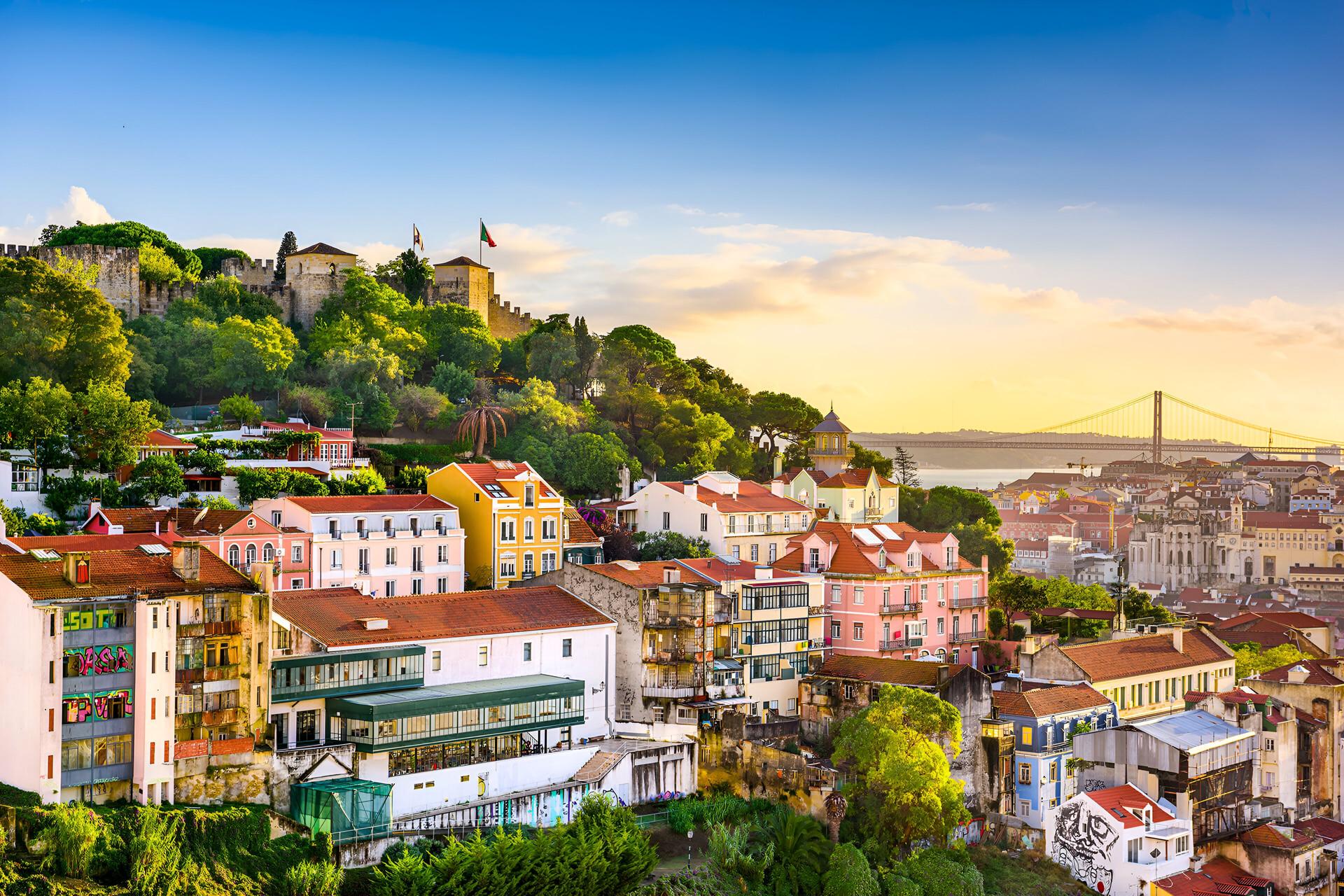
GPI score: 1.355 | Homicide rate: ~0.8 per 100,000 | Population: 10.2 million
Portugal's homicide rate sits around 0.8 per 100,000, according to UNODC data, below the EU average and trending downward. The Numbeo Crime Index for Lisbon is approximately 37 (moderate), reflecting petty theft concentrated in tourist areas; the national figure is lower. PORDATA, Portugal's national statistics database, shows that total recorded criminal offenses per 100,000 inhabitants fell from roughly 3,800 in 2012 to around 3,200 by 2022.
The correlation with economic recovery is direct and well-documented. Portugal's unemployment rate peaked at 17.5% in 2013 following the sovereign debt crisis. By 2019 it had fallen to 6.5%, and it remained below 7% through 2023. Crime fell in parallel. Research by the Portuguese Ministry of Justice confirms this pattern: property crime and street crime dropped most sharply in the regions where employment recovered fastest.
Portugal also made a landmark decision in 2001: it decriminalized personal possession of all drugs, redirecting users to treatment rather than prosecution. The policy reduced drug-related crime, HIV transmission, and overdose deaths simultaneously. It did not increase drug use.
The PSP (Polícia de Segurança Pública) and GNR (Guarda Nacional Republicana) maintain visible presences, particularly in tourist zones, which has demonstrably reduced street crime in Lisbon and Porto.
Neighboring country relations: Portugal's only land neighbor is Spain. Relations are stable, cooperative, and close, both are EU and NATO members. The two countries share the Iberian Peninsula and have deep economic and cultural ties. Portugal has no territorial disputes with Spain or any other country. Its Atlantic island territories (Azores, Madeira) are politically stable.
🇵🇹 Read also: How to get visa for Portugal
8. Slovenia
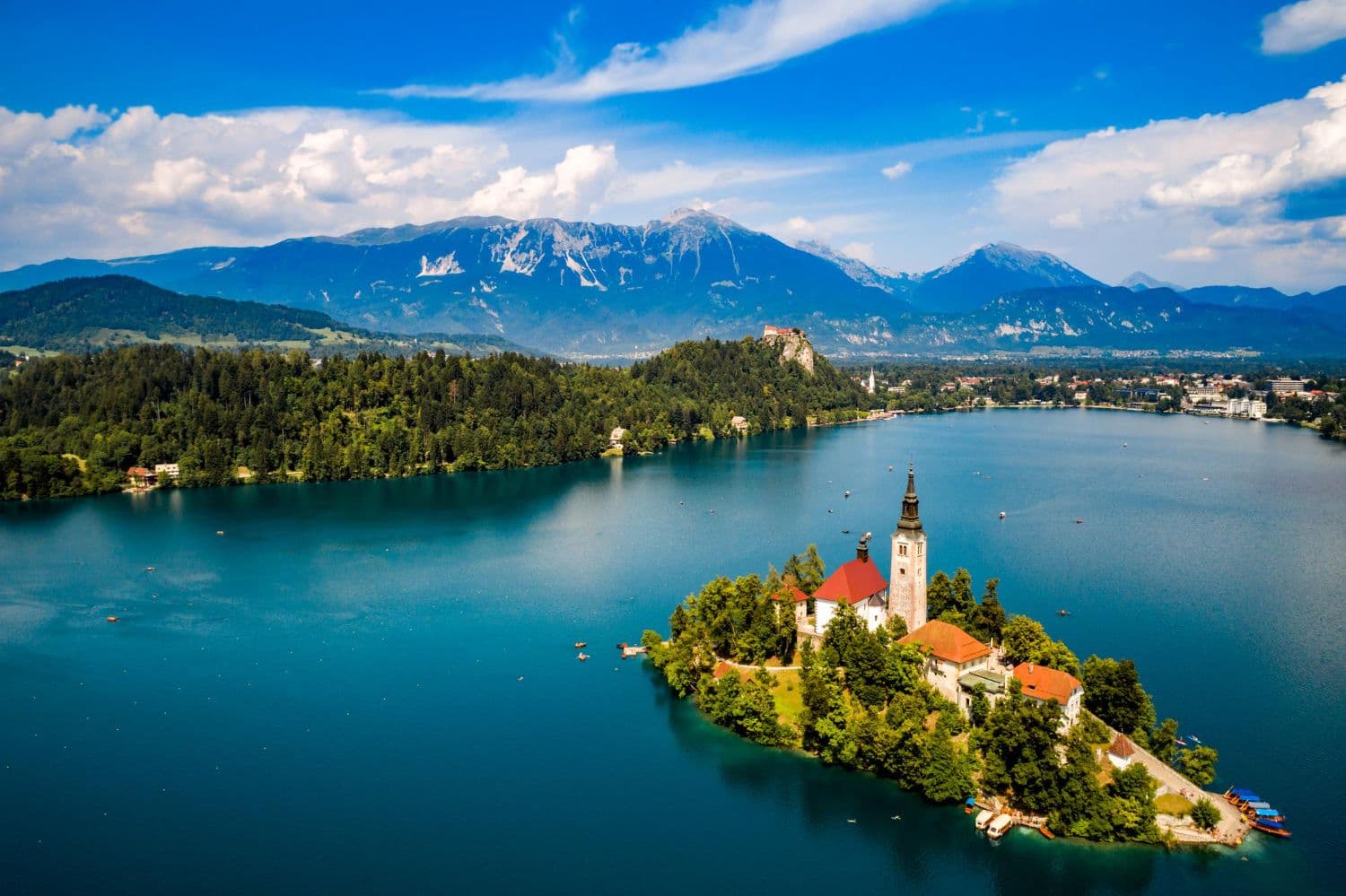
GPI score: 1.369 | Homicide rate: ~0.4 per 100,000 | Population: 2.1 million
Slovenia records approximately 8–10 homicides per year nationally, a homicide rate of around 0.4 per 100,000, which places it among the lowest in the EU. The Numbeo Crime Index for Ljubljana is around 21, firmly "low." Total crime per capita is low by any European comparison, and violent crime is exceptionally rare.
- Slovenia's transition from Yugoslav republic to independent democracy in 1991 was, uniquely, almost bloodless, the Ten-Day War lasted 10 days and resulted in fewer than 70 deaths, most of them soldiers. The country transitioned to a market economy and applied for EU membership within years, joining in 2004. That transition, unlike many post-communist countries, did not produce organized crime networks of the scale seen in Bulgaria, Romania, or the Western Balkans.
- Income inequality is low (Gini ~0.25, among the lowest in the EU). Unemployment is structurally low (~4%). The Slovenian police (Policija) maintain high public trust. Transparency International's CPI places Slovenia in the "clean" tier, well above the EU average for perceived public sector corruption.
- The healthcare system is universal and well-functioning, which matters for travelers: emergency treatment is available without upfront payment under reciprocal EU agreements, and hospital standards are high.
Neighboring country relations: Slovenia borders Austria, Italy, Hungary, and Croatia, all EU members. Croatia and Slovenia had a long-running dispute over the Bay of Piran, which was largely resolved through arbitration. Relations are now cooperative. Slovenia has been a NATO member since 2004.
🇸🇮 Read also: Slovenia digital visa for nomads
9. Japan
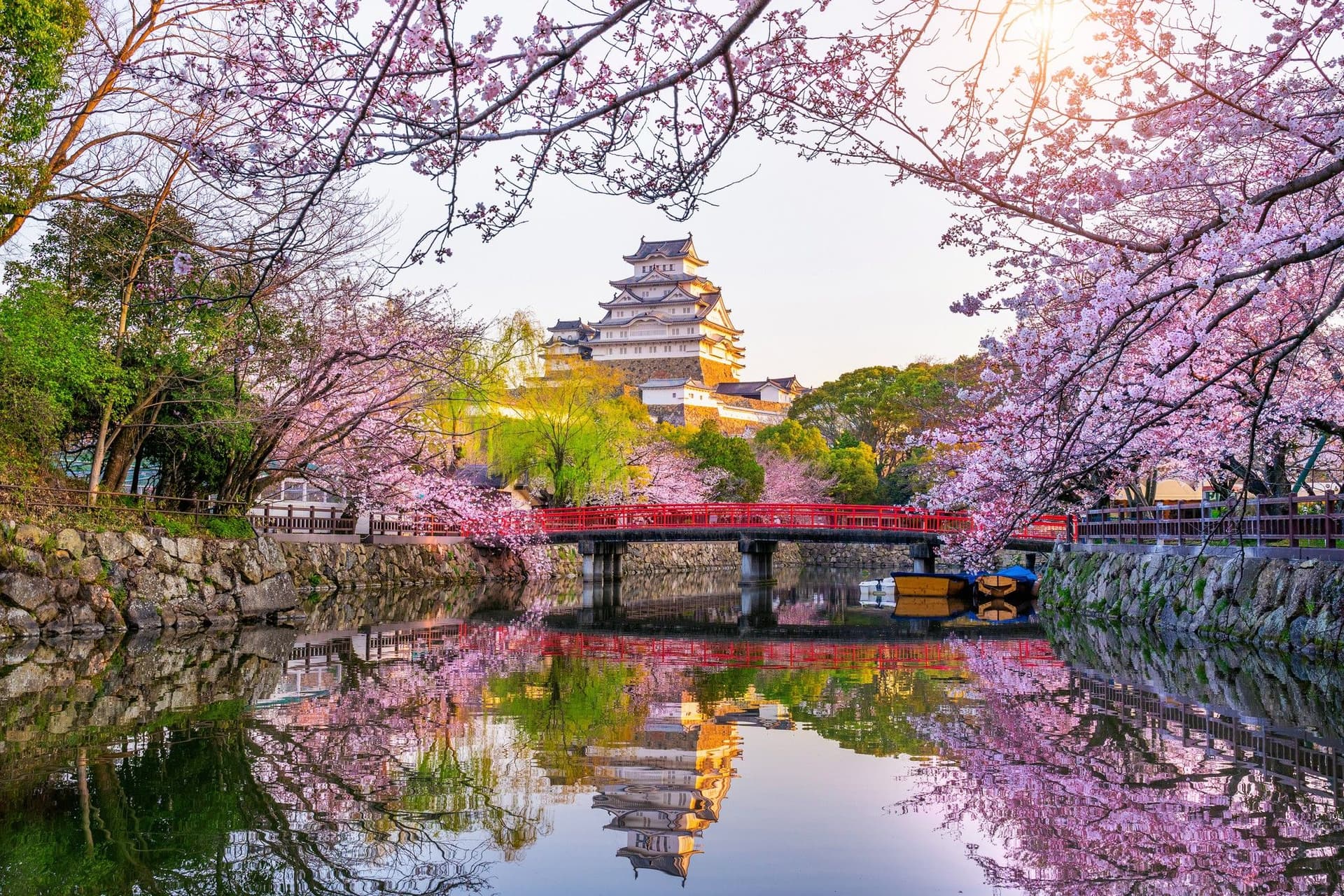
GPI score: 1.336 | Homicide rate: ~0.2 per 100,000 | Population: 125 million
Japan's homicide rate is 0.2–0.3 per 100,000, comparable to Singapore and among the lowest for any large nation. The National Police Agency of Japan reports around 300–350 homicides per year across a population of 125 million. For comparison, the U.S., with a similar-sized economy, records over 20,000 annually. Japan's theft rate is also extremely low: Tokyo's lost-and-found system returns billions of yen in cash annually to their owners.
- Firearm access is the most structural factor. Japan's Firearms and Swords Control Law requires a full-day safety lecture, written exam, shooting range test, mental health check, drug test, background check, and home inspection before anyone can own a firearm. The result: Japan has approximately 0.3 firearms per 100 people, compared to 120 in the U.S. Gun-related homicides number in the single digits per year.
- Cultural factors matter too, concepts like meiwaku (the social obligation not to cause inconvenience to others) and haji (shame) create powerful informal controls on antisocial behavior. These are not just stereotypes; they appear in sociological research on Japanese crime patterns as meaningful contributors to low offending rates.
- Japan's criminal justice system has a 99%+ conviction rate, which critics note reflects limited acquittals rather than infallibility, but the deterrent effect on potential offenders is measurable.
Neighboring country relations: Japan's neighborhood is its main geopolitical concern. China and Japan have overlapping claims to the Senkaku/Diaoyu Islands in the East China Sea, a dispute that has produced maritime incidents. Japan and South Korea have unresolved historical tensions and a territorial dispute over the Dokdo/Takeshima islands. North Korea has fired ballistic missiles over Japanese territory. None of these have produced domestic violence or affected internal safety, but they are real geopolitical risks to monitor.
🇯🇵 Read also: Best places to visit in Japan
10. Switzerland
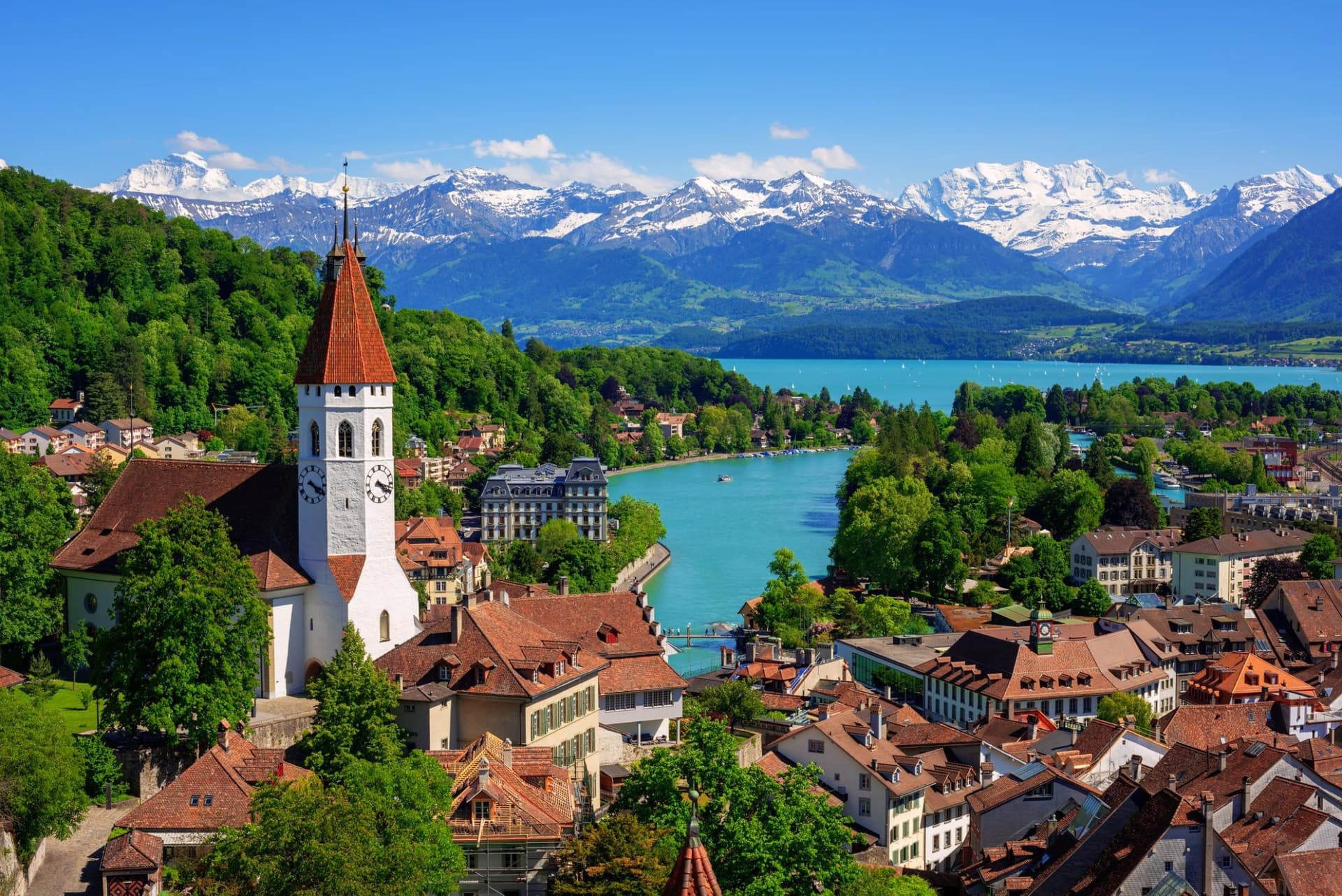
GPI score: 1.339 | Homicide rate: ~0.5 per 100,000 | Population: 8.7 million
Switzerland records approximately 40–50 homicides per year, yielding a rate of around 0.5 per 100,000. The Numbeo Crime Index for Zurich is approximately 22. Geneva and Basel score similarly. Total crime per capita is low relative to Western European neighbors; assault and robbery rates rank among the EU's lowest even though Switzerland is not an EU member.
- Switzerland's neutrality is constitutionally enshrined (since 1815, internationally recognized) and actively maintained. The country has not fought a war in over 500 years. It stayed outside both World Wars. This long peace has compounded: institutions are trusted, politics is consensual (the Federal Council system requires cross-party cooperation), and public life is stable.
- Gun ownership in Switzerland is surprisingly high, around 27 per 100 people, partly from the tradition of soldiers keeping their service weapons. Yet gun crime is very low, because the cultural and legal context around firearms is completely different from the U.S. Strict storage laws, licensing requirements, and social norms keep weapons secured.
- The wealth gap is moderate (Gini ~0.33), and unemployment hovers around 2–3%. Switzerland's four official languages (German, French, Italian, Romansh) reflect a society that has managed internal diversity through institutional design rather than conflict.
Neighboring country relations: Switzerland borders France, Germany, Austria, Liechtenstein, and Italy, all stable democracies. It is surrounded by EU and NATO members while remaining outside both alliances. This position is respected; no neighbor has a territorial claim against Switzerland. Geneva hosts 40+ international organizations, including the UN's European headquarters and the International Committee of the Red Cross, a function of Switzerland's neutral status.
🇨🇭 Read also: Mobile internet in Switzerland
Safest countries to live in the world
For people planning relocation rather than a two-week trip, safety means something different. You need consistent safety over years.
| Country | Homicide rate (per 100k) | Numbeo Crime Index | Gini coefficient | Family safety verdict |
| Iceland | ~0.5 | ~20 (very low) | 0.26 | Excellent |
| Denmark | ~0.8 | ~24 (low) | 0.29 | Excellent |
| New Zealand | ~0.9 | ~30 (low) | 0.33 | Very good |
| Portugal | ~0.8 | ~37 (moderate, Lisbon) | 0.32 | Good |
| Japan | ~0.2 | ~22 (low) | 0.33 | Excellent |
For long-term living, Finland (consistently in the GPI top 10-15) also belongs in the conversation. It ranks first or second globally on education, public trust, and press freedom, all indicators that track with safety over time. The country shares many traits with its Nordic neighbors: strong institutions, low inequality, and very low violent crime rates.
Safest countries for travel
Travel safety differs from residential safety. As a visitor, you're often unfamiliar with local norms, more likely to carry valuables, and less able to read warning signs.
| Country | Tourist infrastructure | Transport safety | Healthcare access | Common risks |
| Iceland | Well developed | Good roads; weather hazards | Good | Terrain, weather |
| Japan | Excellent | World-class rail network | Excellent | Natural disasters (seismic) |
| Singapore | Excellent | Efficient, modern | Excellent | Heat; strict laws on minor offenses |
| New Zealand | Strong | Good; rural roads need care | Good | Remote hiking, seismic activity |
| Portugal | Strong, improving | Good rail and road | Good public hospitals | Petty theft in Lisbon/Porto tourist zones |
Practical tip: wherever you go, make sure you have reliable mobile data before you land, eSIM can help with that.
What is one of the safest countries in the world today?
Iceland. That's the short answer, and it has been for 15 years. But "safest" is genuinely context-dependent. If you're prioritizing:
- Lowest violent crime → Iceland, Japan, Singapore
- Best healthcare access → Japan, Denmark, Switzerland
- Most politically stable → Iceland, Denmark, Switzerland, New Zealand
- Best for solo female travelers → Iceland, Japan, New Zealand (all rank in top 5 globally for women's safety)
- Best for families relocating → Denmark, New Zealand, Japan
- Safest in Europe specifically → Iceland is the safest country in Europe; Denmark and Ireland follow
One point worth making: "safest country" is sometimes treated as a fixed fact, like a capital city. It isn't. The 2025 GPI covers data from the previous year. Rankings shift. Portugal improved 11 places over a decade. Countries that experience political instability or economic shocks can drop fast, and some have.

Common mistakes when choosing safe countries to visit
The GPI measures peacefulness at a national level, but it doesn't tell you whether a specific neighborhood in a safe country is safe. Tokyo is safer than most cities on earth, but pockets of any large city have higher crime concentrations. Check city-level data (the EIU Safe Cities Index is a useful resource) alongside national rankings.
- Ignoring regional differences within countries. Ireland is a 3rd-place finisher on the GPI. But Dublin has pickpocket hotspots that rural Ireland doesn't. Portugal scores 7th globally, but the tourist-dense areas of Lisbon and Porto have theft rates that don't reflect the national average.
- Treating a high GPI score as a guarantee. GPI measures structural peace, it captures crime trends, militarization, and political conflict over time. It doesn't predict what will happen in any given week. Check your government's current travel advisory before any trip.
- Underestimating seasonal and environmental factors. Iceland's roads in February require four-wheel drive and local knowledge. New Zealand's hiking trails have claimed lives from people who didn't check the weather forecast. Singapore is safe from crime year-round but requires preparation for heat and humidity.
- Assuming "safe country" means no preparation needed. The most common problems travelers face in safe countries are not violent crime, they're medical emergencies, road accidents, and travel disruption. Having travel insurance, knowing the local emergency number, and having reliable connectivity cover 90% of those situations.
Conclusion
The countries on this list share more than low crime statistics. Iceland, Denmark, Ireland, New Zealand, Austria, Singapore, Portugal, Slovenia, Japan, and Switzerland each built safety from the ground up: through institutions people trust, economies that distribute their gains, and governance that doesn't require fear to function.
Rankings from the Global Peace Index and the Institute for Economics and Peace give travelers and relocators a reliable starting point. They don't replace local knowledge or up-to-date government travel advisories, but they're built on real data across 163 countries, and the patterns they reveal are consistent.
Travel to these places with realistic expectations: petty theft happens in tourist zones everywhere, environmental hazards don't respect borders, and no country is uniformly safe from edge to edge. Do your research at the city and regional level, get your connectivity sorted before you arrive, and you'll find that the world's safest countries more than live up to their reputations.
Share
Share
FAQ
Do I need a local SIM when traveling to the safest countries?
You need reliable mobile data for navigation, emergency contacts, translation, and general connectivity. A local SIM works but means buying a new one at each destination. Yesim's International eSIM covers all ten countries on this list under a single plan, starting from €4.5, without swapping SIMs or installing new apps at each border.
Which country has the lowest crime rate in the world, and what does the Global Peace Index say about it?
Based on crime rates and homicide statistics, Iceland and Japan are consistently the country with the lowest crime among all inhabited nations. Iceland averages fewer than 2 murders per year nationally; Japan records around 300 homicides across a population of 125 million, a rate of 0.2 per 100,000. The global peace index 2025, produced by the Institute for Economics and Peace (IEP), scores 163 countries across 23 indicators including crime statistics, fear of violence, and criminal justice systems. Iceland scores 1.112, the best in the world. Japan scores 1.336. Both consistently rank among the world's safest countries in every index that measures global peacefulness, including the Berkshire Hathaway Travel Protection annual travel safety rankings.
What makes a country one of the peaceful countries in the world, is it just low crime?
No. The GPI measures three dimensions: societal safety and security (based on crime rates and fear of violence), ongoing conflict, and militarization, including military expenditure as a percentage of GDP. A country can have low crime but still rank poorly if it has high military spending, active armed conflict, or unstable neighbouring country relations. The most peaceful countries in the world: Iceland, Denmark, Ireland, New Zealand, score well across all three categories. Peace and security at the national level depends on internal peace just as much as on low violent crime. Trends in peace over time matter too: Portugal dropped from 18th to 7th in a decade by improving on economic stability and criminal justice systems simultaneously.
What are the top 10 safest countries in the world, and how do they compare to the U.S.?
The ten safest countries in 2026, drawn from global peace index rankings and cross-referenced crime statistics, are Iceland, Denmark, Ireland, New Zealand, Austria, Singapore, Portugal, Slovenia, Japan, and Switzerland. All ten rank in the global top twenty for peacefulness and have stable political environments, low violent crime, and no active territorial conflicts. The U.S. does not rank in the top twenty, it sits outside the top 130 on the GPI, primarily due to its high homicide rate (around 6.3 per 100,000, compared to Iceland's 0.5), high military expenditure as a percentage of GDP, and high incarceration rate. The U.S. also scores poorly on internal peace indicators relative to its income level.
Which is the safest country in Europe and the safest place on earth to live?
Iceland is both the safest country in Europe and the safest place on earth for residents and visitors. It has held first place on the GPI for 15 consecutive years and also one of the safest countries to live in across every major liveability index. Denmark and Ireland follow in global rankings, making Northern and Western Europe the most concentrated zone of safe countries in the world. For people choosing the best countries in the world as places to live based on safety and security, the Nordic and Western European bloc: Iceland, Denmark, Ireland, Austria, Portugal, offers the most consistent combination of lowest crime, stable political institutions, and high quality of life. Singapore ranks among the safest outside Europe, with a Numbeo Crime Index of ~22 and a homicide rate of 0.2 per 100,000.
Do the world's safest countries also rank as the best places to live for families and expats?
Most of them, yes, though the answer depends on what you're optimizing for. The ten safest countries cover a wide range of cost and lifestyle. Iceland, Denmark, and Switzerland are expensive but offer excellent public services, universal healthcare, and some of the strongest safety and security records on earth. Portugal and Slovenia rank among the safest countries to live in at a significantly lower cost, both consistently appear in expat relocation rankings alongside their GPI positions. Japan is one of the world's safest countries for families (Tokyo was the safest city on earth in the EIU Safe Cities Index) but requires cultural and language adjustment. For travelers rather than relocators, all ten are countries to visit with minimal safety concerns, though local crime statistics at the city level.
Recommended eSIMs

Pay & Fly
Unlimited data. Pay as you go
North America eSIM
3 countries

United States eSIM
from $1.72 / day
Canada eSIM
from $2.36 / day
Mexico eSIM
from $2.16 / day
Dominican Republic eSIM
from $6.80 / day

Jamaica eSIM
from $3.36 / day
Puerto Rico eSIM
from $2.20 / day
Turks & Caicos Islands eSIM
from $7.12 / day
Bermuda eSIM
from $6.60 / GB
Bahamas eSIM
from $6.80 / day
Saint Lucia eSIM
from $6.32 / day